


LEXOH System Overview
LEXOH is a comprehensive cloud-based platform that provides unified management for parking systems, access control, video surveillance, and facility monitoring. Our solution combines intelligent hardware devices with powerful cloud analytics to deliver complete operational oversight.
Core Components
🚗 Parking Management
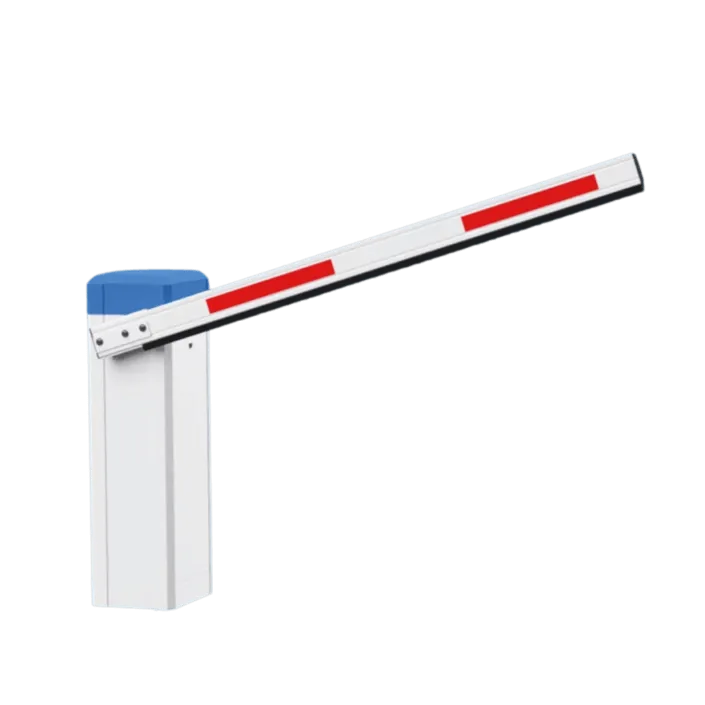
Automated parking barriers, payment kiosks, occupancy tracking, revenue analytics, and customer management with real-time monitoring.
🔐 Access Control
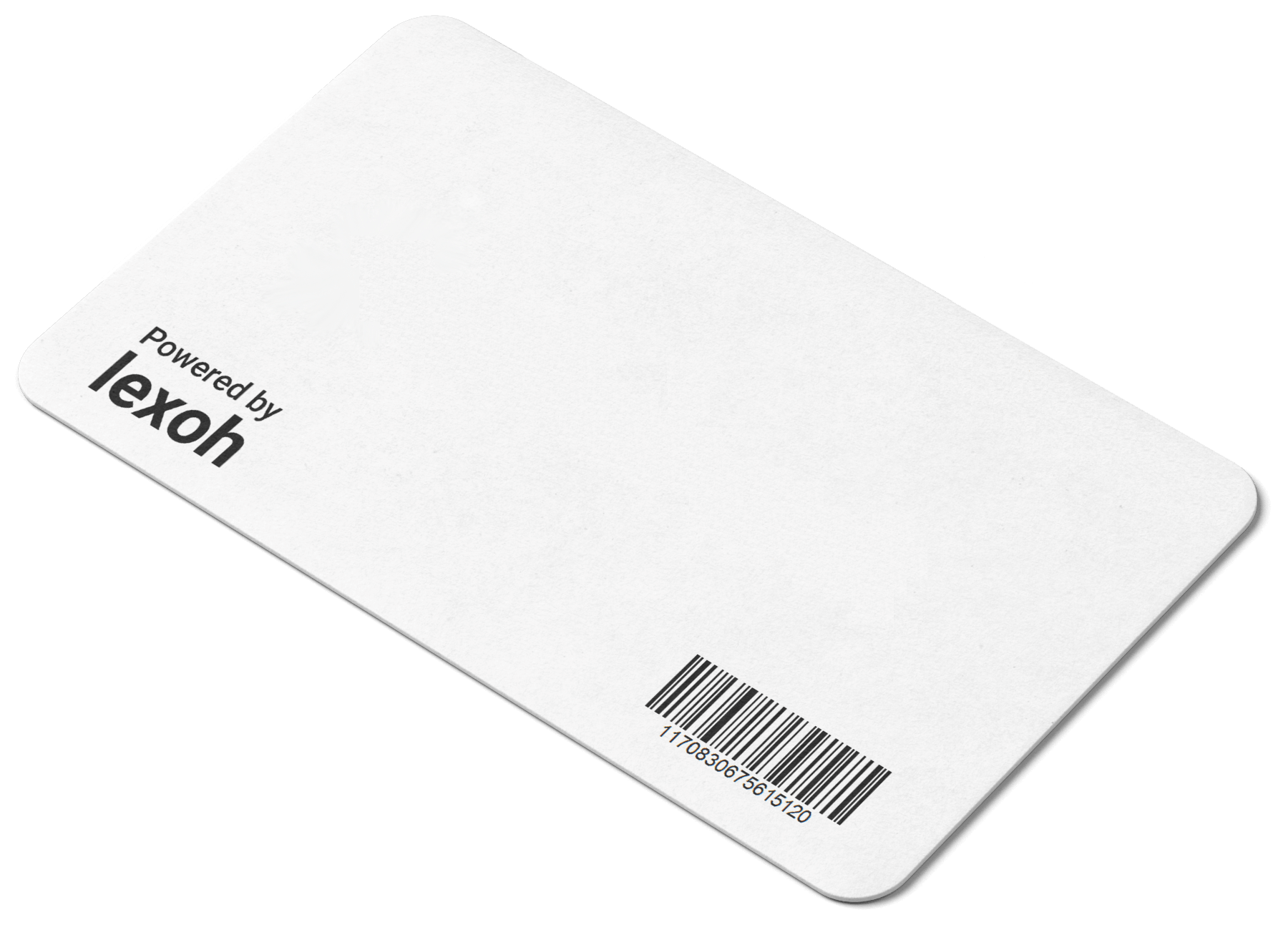
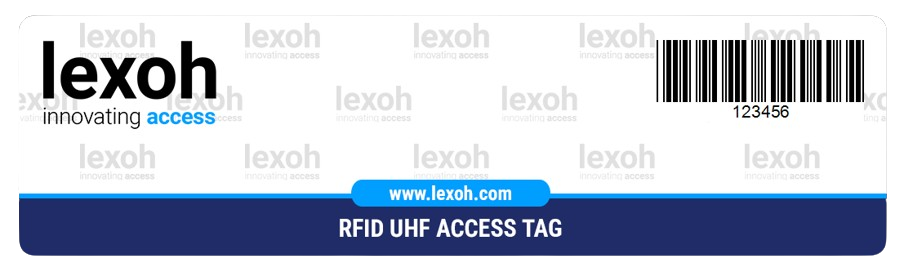
RFID card readers, biometric systems, mobile access, guest management, and time-based permissions with audit trails.
📹 Video Surveillance
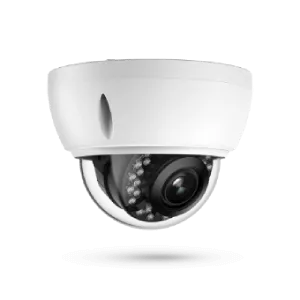
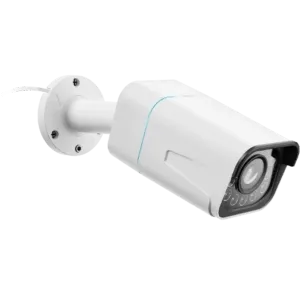
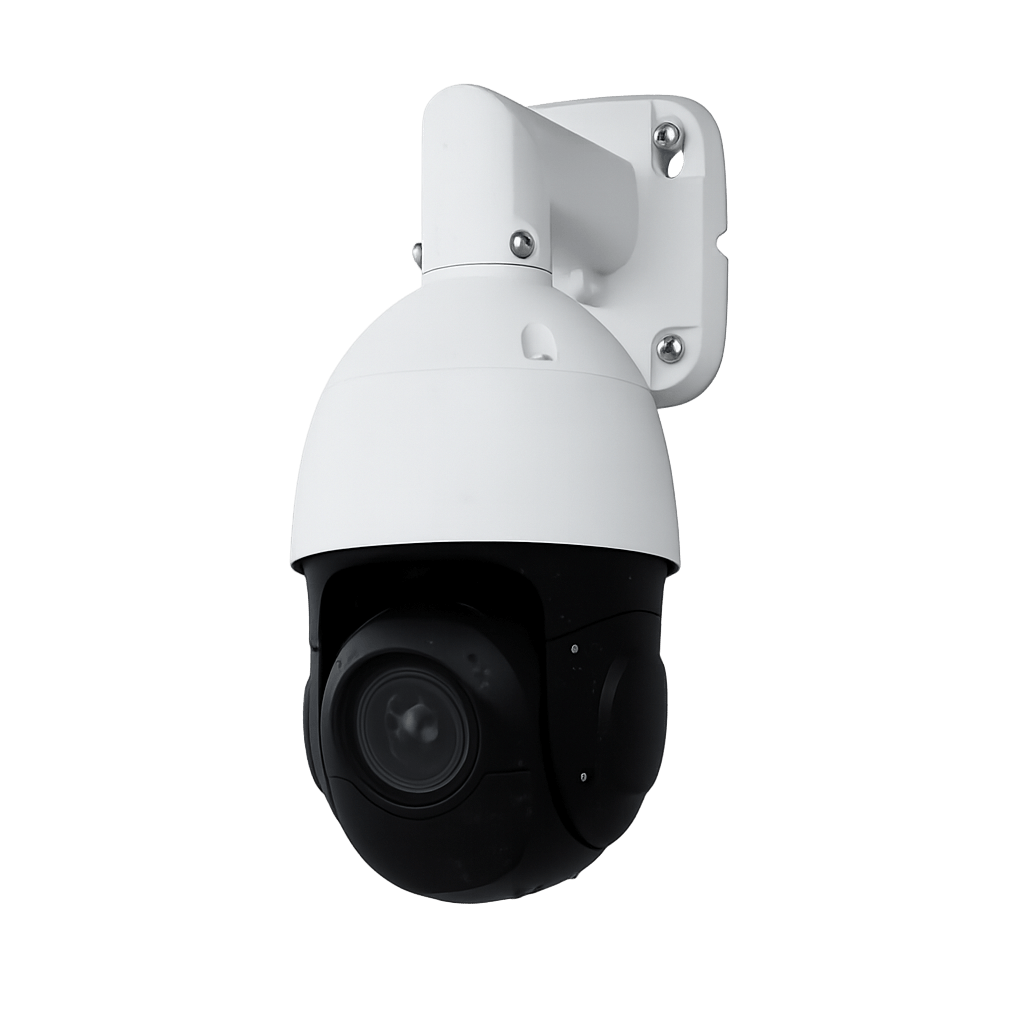
IP cameras (bullet, dome, PTZ), live streaming, motion detection, recording management, and intelligent analytics.
📊 Analytics Dashboard
Real-time monitoring, customizable widgets, performance analytics, automated reports, and predictive insights.
🔔 Alert System
Automated notifications, device health monitoring, security alerts, and customizable notification rules.
🌐 API Integration
RESTful APIs, webhooks, third-party integrations, and SDKs for custom application development.
Supported Device Types
Parking Barriers & Gates
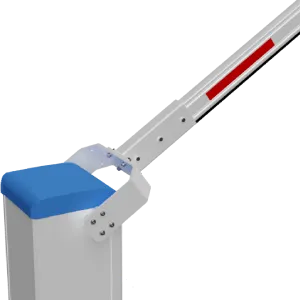
ELKA, Automatic Systems, industrial barriers with vehicle detection
Card Readers & Scanners
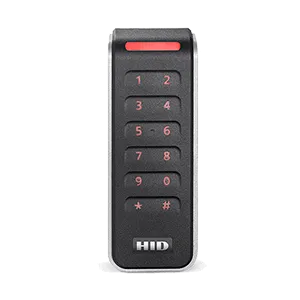
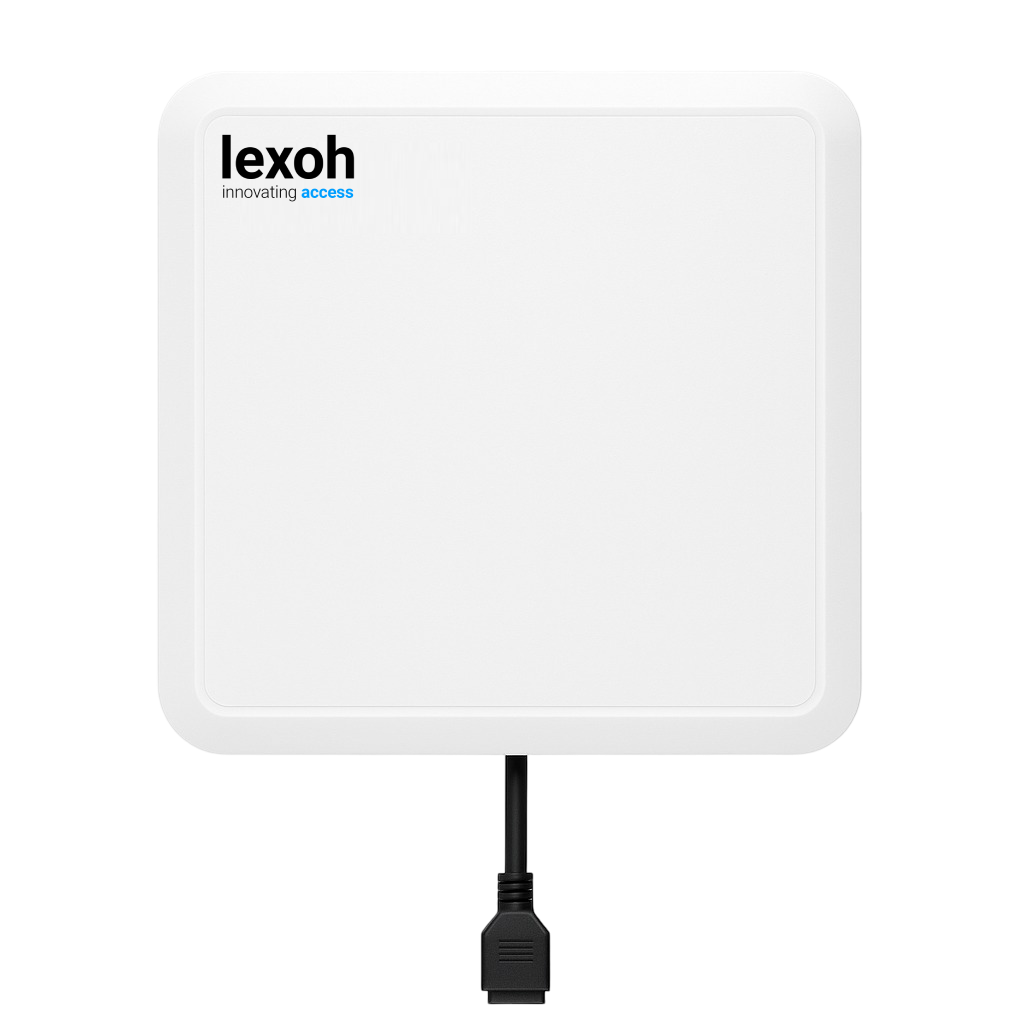
RFID readers, QR scanners, UHF readers, biometric systems
IP Cameras
Bullet, dome, PTZ cameras with 4K resolution and night vision
Payment Kiosks
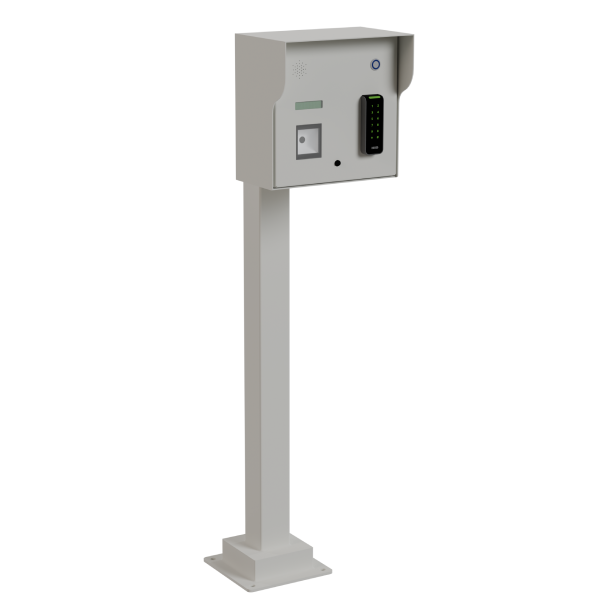
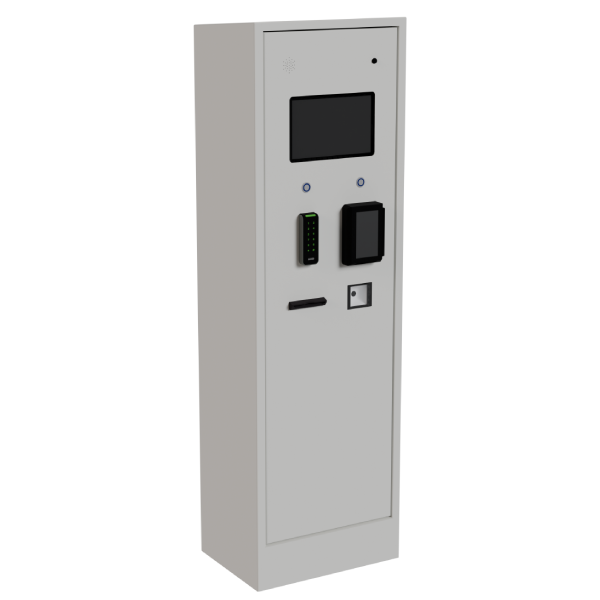
Touchscreen terminals with payment processing and ticket printing
Communication Devices
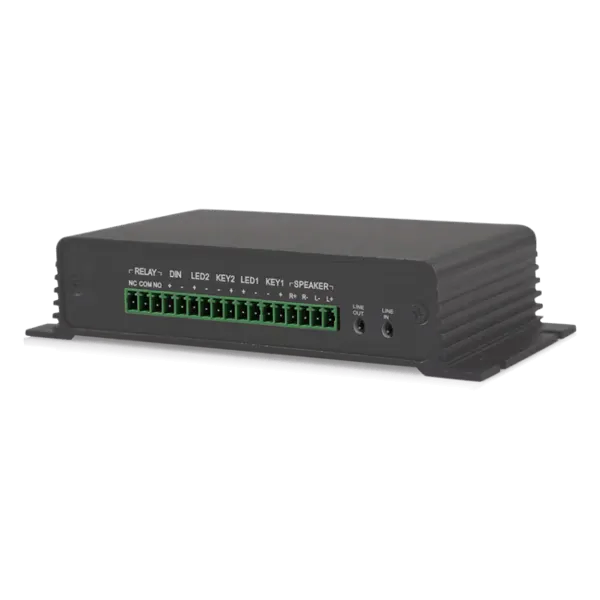
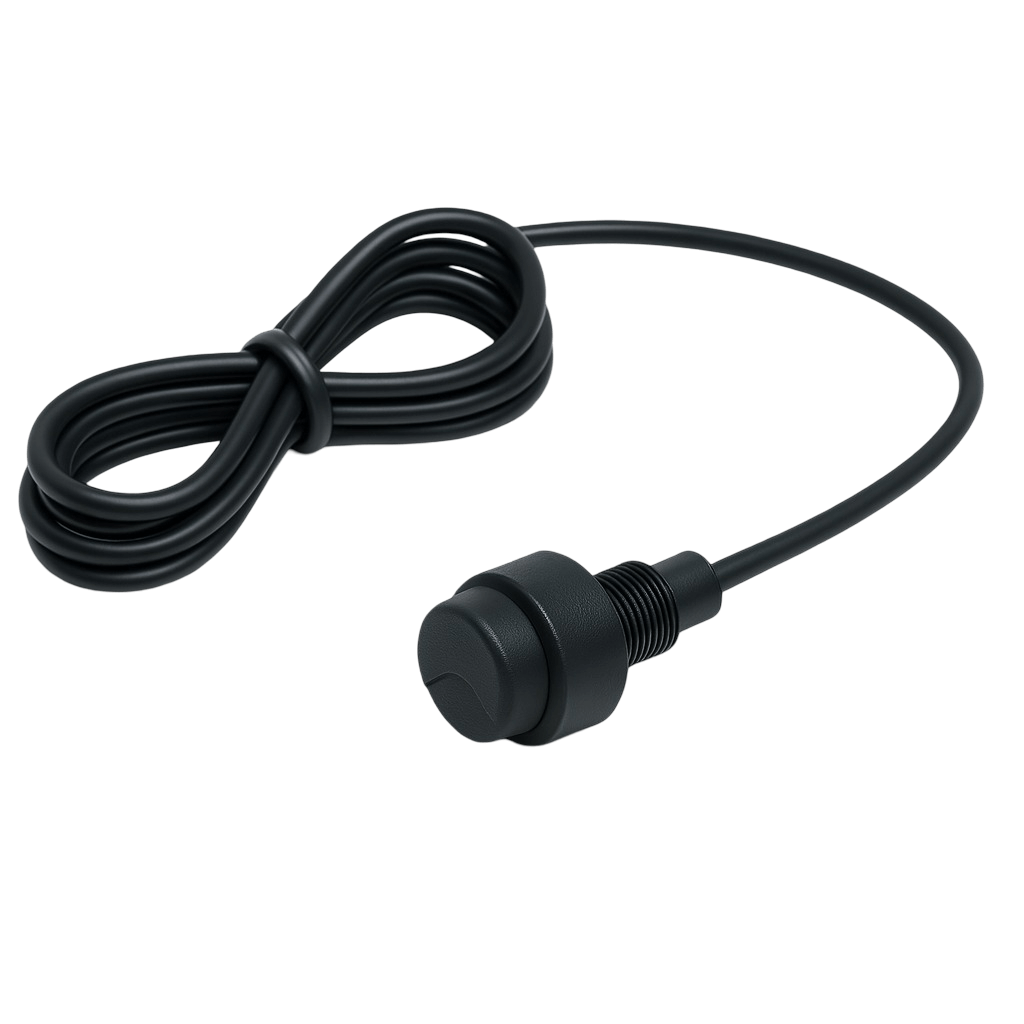
IP intercoms, microphones, LED signage, and speakers
Supported Platforms
LEXOH is available on multiple platforms to ensure access from anywhere:
🌐 Web
Navigate to your organization's LEXOH URL (e.g., https://yourcompany.app.lexoh.com) in any modern browser (Chrome, Firefox, Edge, Safari)
🖥 Windows
Install the LEXOH desktop application
🍎 macOS
Install the LEXOH desktop application
🐧 Linux
Install the LEXOH desktop application
📱 Android
Download from the Google Play Store
📱 iOS
Download from the Apple App Store
Logging In
When you open LEXOH, you will see the Login Screen with three fields:
- Business Code — Your organization's unique code provided by your administrator. On web deployments, this may be automatically detected from the URL subdomain.
- Username — Your personal username.
- Password — Your account password.
Steps
- Enter your Business Code (if not pre-filled).
- Enter your Username.
- Enter your Password.
- Tap/click the Login button.
💡 Tip: The app remembers your last used Business Code for convenience. You can switch between English and French using the language button on the login screen.
⚠ Note: If your credentials are incorrect, an error message will appear. Contact your administrator if you cannot log in.
Multi-Factor Authentication (MFA)
If your account has MFA enabled, after entering your credentials you will be prompted for a TOTP verification code.
- Open your authenticator app (Google Authenticator, Microsoft Authenticator, Authy, etc.).
- Find the LEXOH entry and read the 6-digit code.
- Enter the code in the verification field.
- Tap/click Submit.
⚠ Lost Access: If you have lost access to your authenticator app, contact your administrator to reset MFA on your account.
Selecting a System
If your account has access to multiple parking systems/servers, the System Select screen will appear after login. Choose the system you want to connect to by tapping on it.
If you only have access to one system, this step is skipped automatically.
💡 Tip: You can switch systems at any time from the server switcher in the top app bar.
Prerequisites & Planning
Before beginning your LEXOH deployment, ensure you have the necessary infrastructure and requirements in place.
Network Requirements
- Internet Connection: Minimum 5 Mbps upload/download, recommended 20+ Mbps for video streaming
- Network Stability: Less than 5% packet loss, stable connection with minimal downtime
- Network Configuration: DHCP or static IP addressing with DNS access
- Firewall Ports: Ports 443 (HTTPS) and 8883 (MQTTS) open for outbound connections
- Domain Access: Outbound connections allowed to *.lexoh.com
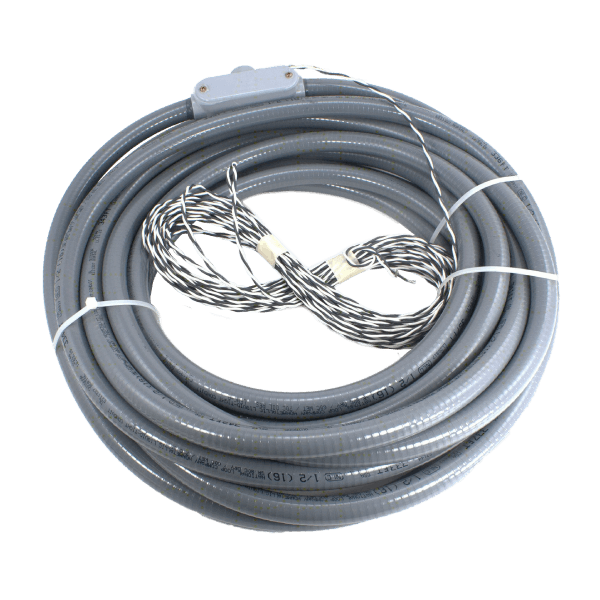
- Cabling: Cat5e or Cat6 Ethernet cables, maximum 100m runs, PoE support
Power & Infrastructure
- Power Supply: Dedicated circuits for barriers (220V AC), PoE or 12V DC for smaller devices
- Electrical Safety: GFCI protection for outdoor installations, proper grounding
- Environmental Protection: Weatherproof enclosures for outdoor equipment
- Physical Security: Secure mounting and tamper-resistant installations
- Emergency Access: Manual override capabilities and emergency protocols
Account & Licensing
- LEXOH Cloud Account: Active subscription with appropriate device licensing
- Admin Credentials: Primary administrator account with full system permissions
- API Access: API keys for third-party integrations (if required)
- Support Plan: Appropriate support level for your deployment size
Hardware Installation & Setup
Install and configure your LEXOH hardware devices following proper safety procedures and best practices.
⚠ Safety First
- Always disconnect power before installation
- Use appropriate personal protective equipment (PPE)
- Ensure proper grounding for all electrical connections
- Follow local electrical codes and regulations
- When in doubt, consult a licensed electrician
Device Installation Order
Network Infrastructure
Install network switches, run Ethernet cables, and establish internet connectivity before installing devices.
Power Distribution
Install dedicated circuits, GFCI outlets, and PoE infrastructure for device power requirements.
Barrier Systems
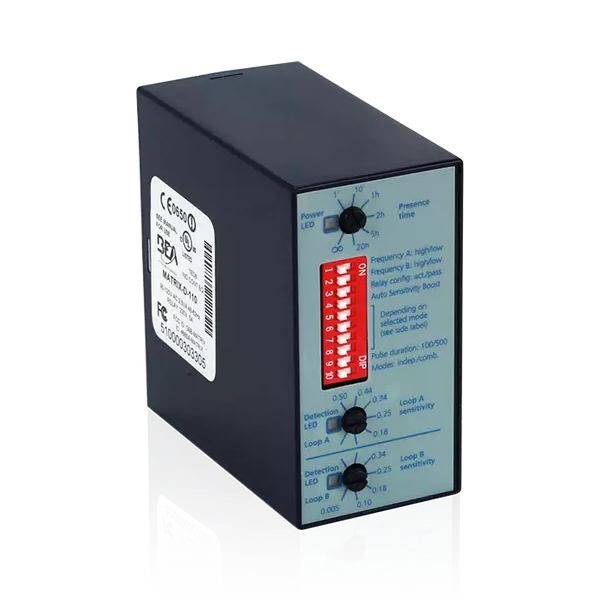
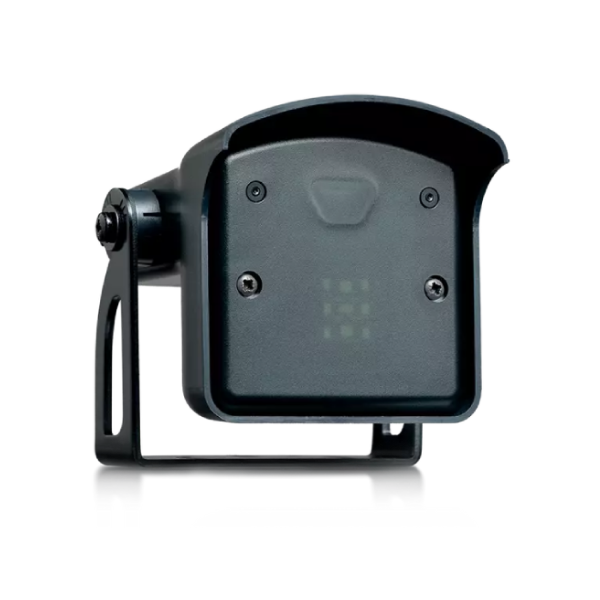
Install parking barriers, gate controllers, and vehicle detection loops with proper foundation work.
Access Control Devices
Mount card readers, biometric scanners, and door controllers at appropriate heights and locations.
Camera Systems
Install IP cameras with proper angles, lighting considerations, and weatherproof mounting.
Payment & Communication
Set up payment kiosks, intercoms, LED signage, and customer communication devices.
LEXOH Cloud Platform Setup
Configure your LEXOH cloud account and establish the foundation for device management and system operation.
Account Configuration
- Create Account: Sign up at cloud.lexoh.com with your business information
- Email Verification: Verify your email address and complete account activation
- Organization Profile: Complete your organization details, contact information, and billing setup
- Subscription Plan: Select appropriate plan based on device count and feature requirements
- User Management: Create additional administrator accounts as needed
- API Keys: Generate API keys for integrations and third-party applications
Initial System Configuration
General Settings
- Site Name: Configure your facility name for tickets and reports
- Time Zone: Set correct time zone for accurate event logging
- Tax Configuration: Set up tax rates and registration numbers (if applicable)
- Branding: Upload logos and set brand colors for customer-facing materials
- Contact Information: Configure support contact details and emergency contacts
Zone & Location Setup
- Create Zones: Define logical areas (parking lots, buildings, floors)
- Set Coordinates: Configure GPS coordinates for location mapping
- Access Schedules: Set up operating hours and holiday schedules
- Capacity Limits: Configure maximum occupancy for each zone
- Pricing Structure: Set up rates, promotions, and payment rules
Device Registration & Configuration
Register your hardware devices with the LEXOH cloud platform and configure their operational parameters.
Device Registration Process
- Access Device Management: Navigate to "Devices" in the admin dashboard
- Add New Device: Click "Add Device" and select device type from catalog
- Device Information: Enter device name, location, and MAC address
- Network Settings: Configure IP address (static or DHCP) and network parameters
- Zone Assignment: Assign device to appropriate zone or area
- Device Role: Set device type (entry, exit, bidirectional, payment)
- Save & Sync: Save configuration and wait for device to appear online
Device-Specific Configuration
Parking Barriers
- Barrier type selection (ELKA, Automatic Systems, Modbus)
- Opening/closing speed and power settings
- Vehicle detection loop configuration
- Safety settings and emergency modes
- Traffic light and signage integration
Access Control Readers
- Reader type (RFID, QR, UHF, Biometric)
- Communication protocol (Wiegand, OSDP, TCP/IP)
- Read range and sensitivity settings
- Anti-passback and security rules
- Audio and visual feedback configuration
IP Cameras
- Resolution and frame rate settings
- Motion detection zones and sensitivity
- Recording schedules and retention policies
- Night vision and lighting compensation
- PTZ presets and tour patterns
Payment Kiosks
- Payment processor integration and settings
- Touchscreen interface customization
- Thermal printer configuration
- Receipt templates and branding
- Multi-language support and accessibility
System Configuration & Integration
Configure system-wide settings, operational rules, and integrate with existing business systems.
Operational Settings
- Grace Period: Set free parking time (0-60+ minutes)
- Maximum Stay: Configure maximum parking duration limits
- Auto-Close Entries: Enable automatic closure of open sessions (24-hour cycle)
- Lost Ticket Fee: Set charges for lost parking tickets
- Emergency Modes: Configure system behavior during emergencies
- Maintenance Mode: Set up maintenance mode for system updates
Alert & Notification Configuration
- Device Alerts: Configure notifications for device offline/online status
- Capacity Alerts: Set warnings when parking capacity reaches thresholds
- Security Alerts: Configure unauthorized access and intrusion notifications
- System Alerts: Set up notifications for system errors and maintenance needs
- Email Configuration: Set up SMTP settings for automated emails
- Webhook Integration: Configure webhooks for third-party system integration
Dashboard Customization
- Widget Selection: Choose from 20+ dashboard widgets based on your priorities
- Layout Configuration: Arrange widgets using drag-and-drop interface
- Data Filters: Configure default time ranges and filtering options
- Color Themes: Customize dashboard appearance to match branding
- Refresh Intervals: Set automatic data update frequencies
- User Permissions: Configure role-based dashboard access
User Management & Access Control
Set up user accounts, access permissions, and customer management systems to control who can access your facilities and administrative functions.
Administrative Users
- Create User Accounts: Add administrative users in the "Users" section
- Assign Roles: Set appropriate permission levels (Admin, Operator, Viewer)
- Set Passwords: Configure strong passwords and two-factor authentication
- Define Permissions: Grant access to specific system modules and functions
- Set Restrictions: Configure IP restrictions and time-based access if needed
- Test Access: Verify each user can access their assigned functions
Customer Management
Access Card Setup
- Card Registration: Register RFID cards, mobile credentials, and biometric data
- Customer Information: Collect name, contact details, vehicle information
- Access Permissions: Define which areas and times customers can access
- Validity Periods: Set card expiration dates and renewal schedules
- Payment Integration: Link cards to payment accounts for automated billing
Guest Management
- Temporary Access: Create time-limited access codes for visitors
- Visitor Registration: Set up self-service visitor registration kiosks
- Host Approval: Configure guest access approval workflows
- Escort Requirements: Set up escort rules for sensitive areas
- Audit Trails: Ensure all guest access is properly logged and tracked
Permission Structures
Testing & System Verification
Thoroughly test your LEXOH system before going live to ensure all components work correctly and meet your operational requirements.
Pre-Launch Testing Checklist
Device Status Verification
- ☐ All devices show "Online" status in the dashboard
- ☐ Network connectivity confirmed for each device
- ☐ Power indicators and LED status lights functioning
- ☐ Device health sensors reporting correctly
- ☐ Firmware versions up to date
Access Control Testing
- ☐ Test card readers with registered access cards
- ☐ Verify door locks and barriers operate correctly
- ☐ Test emergency unlock and manual override functions
- ☐ Confirm anti-passback rules work as expected
- ☐ Test time-based access restrictions
- ☐ Verify unauthorized access denial
Camera & Monitoring
- ☐ Live video streams accessible from dashboard
- ☐ Camera angles and focus properly adjusted
- ☐ Motion detection zones configured and tested
- ☐ Recording schedules active and storage functioning
- ☐ Night vision and lighting compensation working
- ☐ PTZ controls responsive (if applicable)
Payment & Parking
- ☐ Entry barriers open for authorized vehicles
- ☐ Payment kiosks process transactions correctly
- ☐ Ticket printing and receipt generation working
- ☐ Occupancy counting accurately tracks vehicles
- ☐ Revenue calculations and tax computation correct
- ☐ Lost ticket procedures function properly
System Integration
- ☐ Event logging appears in real-time dashboard
- ☐ Notifications and alerts received correctly
- ☐ Reports generate with accurate data
- ☐ API integrations functioning (if configured)
- ☐ Backup and disaster recovery tested
- ☐ User access permissions validated
Performance Testing
- Load Testing: Simulate peak traffic to verify system performance
- Failover Testing: Test system behavior during network or power outages
- Response Time: Measure barrier opening times and system responsiveness
- Capacity Testing: Verify system handles maximum expected concurrent users
- Security Testing: Attempt unauthorized access to verify security measures
Next Steps & Ongoing Management
Your LEXOH system is now operational! Follow these recommendations for ongoing management and optimization.
Immediate Action Items
📚 Staff Training
- Train operators on daily procedures
- Provide emergency contact procedures
- Create quick reference guides
📋 Documentation
- Document final configuration settings
- Create network and device diagrams
- Establish backup procedures
🔄 Monitoring Setup
- Configure automated health checks
- Set up performance baselines
- Schedule regular maintenance
Advanced Features & Integration
- API Integration: Connect third-party applications using LEXOH REST APIs
- Advanced Analytics: Set up revenue analytics and occupancy reports
- Automated Reporting: Configure email alerts and scheduled reports
- Mobile Access: Deploy mobile apps for customer self-service
- Integration Hub: Connect with payment processors, CRM systems, and building management
Maintenance & Support
- Daily: Monitor dashboard alerts and device status
- Weekly: Review system events and access logs
- Monthly: Update firmware, clean cameras, test backup procedures
- Quarterly: Full system audit, user access review, performance optimization
- Annual: Hardware inspection, warranty renewals, capacity planning
Track key performance indicators: system uptime >99.5%, device responsiveness <2 seconds, customer satisfaction >90%, and revenue growth month-over-month.
System Successfully Deployed!
Continue exploring advanced features and optimization techniques