



Alert Settings
Configure intelligent alerts and notifications to stay informed about critical events in your parking system. Customize alert triggers, thresholds, and delivery methods through Settings → Alerts in the admin dashboard.
Push Notifications
Enable or disable push notifications for all alert types. When enabled, notifications are delivered to the LEXOH mobile app and web dashboard.
Enable Push Notifications
Type: Boolean (On/Off)
Default: Enabled
Description: Master switch for all push notifications
- When enabled: Alerts are sent to mobile devices and displayed in the web dashboard
- When disabled: Alerts are logged but not actively pushed to users
- Individual alert types can still be enabled/disabled separately
- Administrators always receive critical security alerts regardless of this setting
Gate & Barrier Alerts
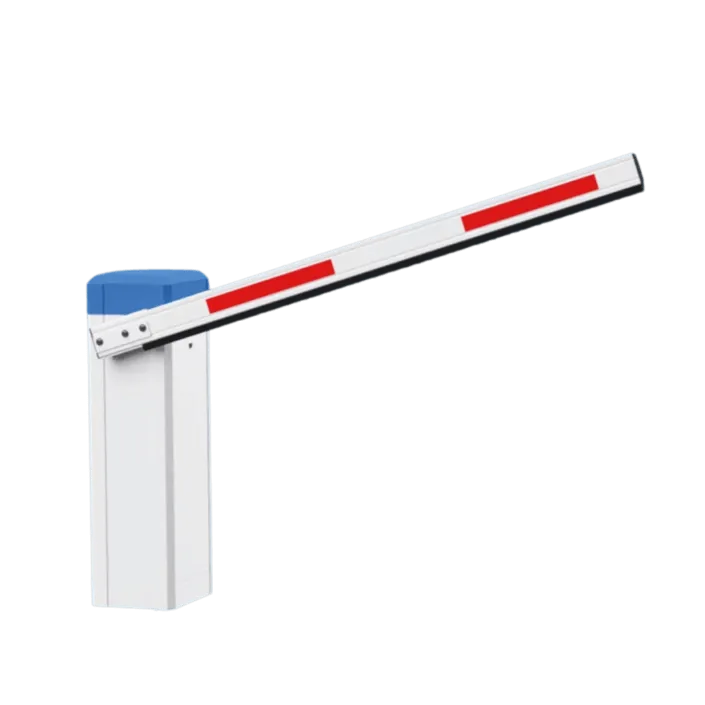
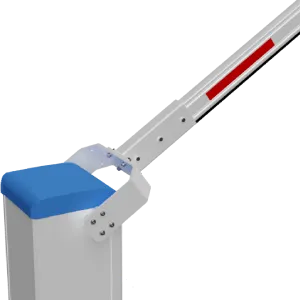
Monitor entry and exit barriers for abnormal operation or extended open times that may indicate equipment issues or security concerns.
Gate Stay Open Time Alert
Type: Boolean (Enable/Disable) + Integer (Minutes)
Default: Enabled, 5 minutes
Description: Alert when a barrier remains open longer than specified
- Threshold: Configure time in minutes (1-60 minutes)
- Triggers when: Barrier is open continuously beyond threshold
- Use cases: Detect stuck barriers, sensor malfunctions, or deliberate propping
- Action required: Check physical barrier, inspect sensors, review security footage
Long Presence Detected
Type: Boolean (Enable/Disable) + Integer (Minutes)
Default: Enabled, 10 minutes
Description: Alert when a vehicle remains at entry/exit point for extended period
- Threshold: Configure time in minutes (5-30 minutes)
- Triggers when: Vehicle detected in barrier zone beyond threshold
- Use cases: Identify stalled vehicles, payment issues, or deliberate blocking
- Action required: Check live camera feed, contact driver if possible, dispatch assistance
Device Status Alerts
Monitor the health and connectivity of all parking system devices including barriers, cameras, payment terminals, and kiosks.
Device Disconnected Alert
Type: Boolean (Enable/Disable) + Integer (Minutes)
Default: Enabled, 2 minutes
Description: Alert when a device loses connection to the cloud platform
- Threshold: Configure grace period in minutes (1-10 minutes)
- Triggers when: Device stops sending heartbeat signals for specified duration
- Applies to: Barriers, cameras, kiosks, payment terminals, RFID readers
- Common causes: Network outage, power loss, hardware failure, cable disconnect
- Action required: Check device power, network connectivity, physical condition
Device Reconnected Alert
Type: Boolean (Enable/Disable)
Default: Enabled
Description: Confirmation alert when a previously disconnected device comes back online
- Triggers when: Device re-establishes connection after being offline
- Includes: Downtime duration, connection quality metrics, device health status
- Use cases: Verify issue resolution, track system reliability, maintain uptime logs
- Action required: Review incident logs, confirm normal operation, document root cause
Kiosk & Printer Alerts
Monitor payment kiosks for physical security, printer status, and supplies to ensure uninterrupted customer service.
Low Paper Alert
Type: Boolean (Enable/Disable)
Default: Enabled
Alert when receipt printer paper is running low (typically <20% remaining).
- Proactive restocking
- Prevents service interruption
- Schedule maintenance visit
Missing Paper Alert
Type: Boolean (Enable/Disable)
Default: Enabled
Critical alert when printer has no paper (0% remaining).
- Immediate restocking required
- Kiosk cannot issue receipts
- Customers may face issues
Kiosk Door Opened
Type: Boolean (Enable/Disable)
Default: Enabled
Security alert when kiosk service door is opened.
- Maintenance verification
- Unauthorized access detection
- Timestamped for audit trail
Kiosk Door Closed
Type: Boolean (Enable/Disable)
Default: Disabled
Confirmation alert when kiosk door is properly secured.
- Maintenance completion
- Security verification
- Resume normal operation
Parking Capacity Alerts
Stay informed about parking occupancy levels to manage traffic flow, adjust pricing, and prepare for capacity-related issues.
Parking Capacity Reached Percentage
Type: Boolean (Enable/Disable) + Integer (Percentage)
Default: Enabled, 85%
Description: Alert when parking facility reaches specified occupancy percentage
- Threshold: Configure percentage (50-99%)
- Triggers when: (Vehicles Inside / Total Capacity) × 100 ≥ Threshold
- Use cases: Prepare for overflow, activate dynamic pricing, alert staff
- Action required: Monitor entry rate, prepare overflow areas, update signage
Parking Capacity Full
Type: Boolean (Enable/Disable)
Default: Enabled
Description: Critical alert when parking facility reaches 100% capacity
- Triggers when: Vehicles Inside ≥ Total Capacity
- System actions: Display "LOT FULL" on digital signage, close entry barriers (if configured)
- Use cases: Prevent overcrowding, redirect traffic, enforce capacity limits
- Action required: Monitor exit rate, activate overflow parking, update navigation apps
Capacity Alert Examples
Camera & Security Alerts
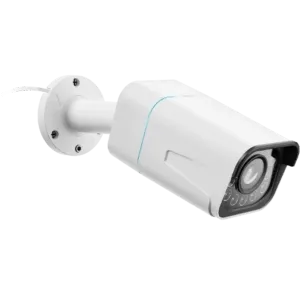
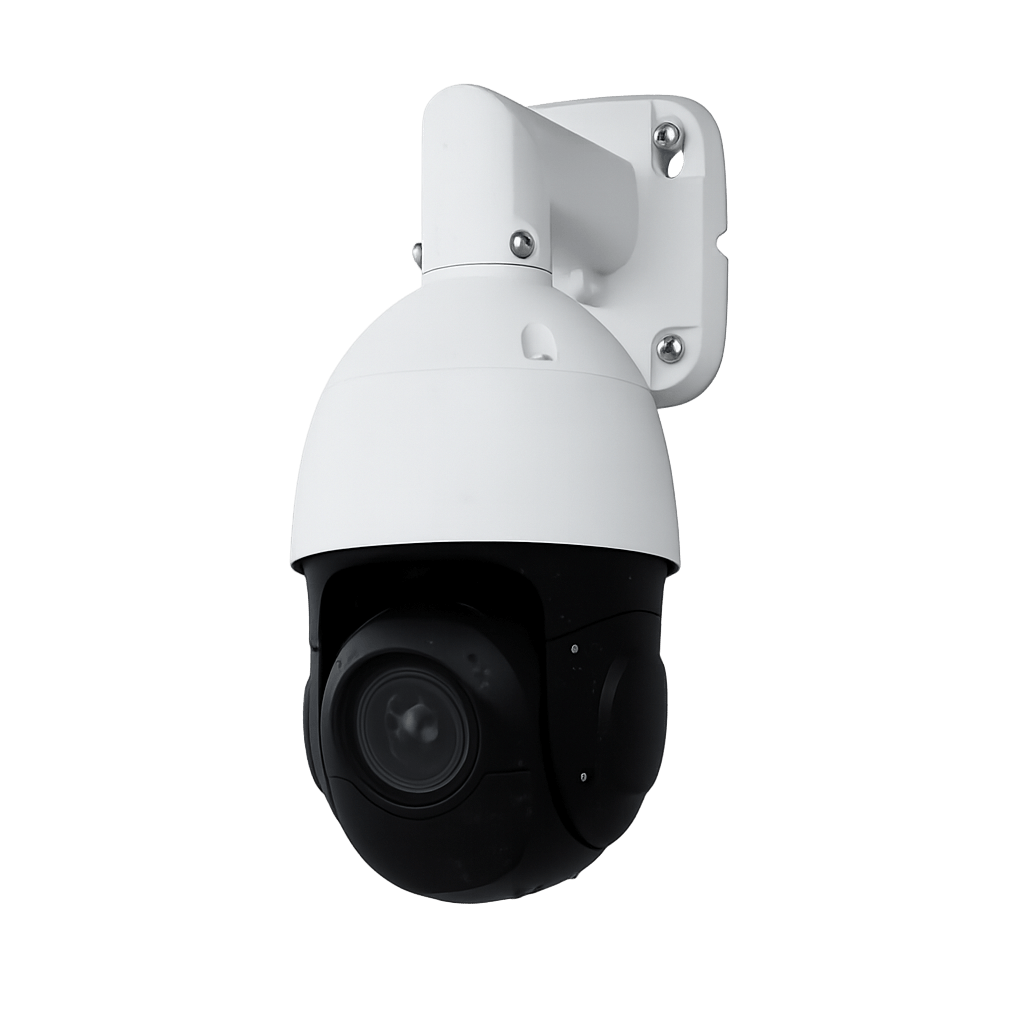
AI-powered video analytics alerts configured per camera to detect suspicious behavior, unauthorized access, and security incidents.
All camera alerts are configured individually for each camera in your system. This allows precise security monitoring based on each camera's location and purpose (entry, exit, parking area, perimeter).
Loitering Detected
Type: Boolean (Enable/Disable)
Default: Disabled
Configured: Per camera
Description: Alert when a person remains in the camera's view for an unusual duration
- Detection method: AI person tracking with dwell time analysis
- Typical threshold: 5-15 minutes depending on location
- Use cases: Identify suspicious behavior, prevent theft or vandalism, monitor customer assistance needs
- Best locations: Payment kiosks, secluded parking areas, maintenance zones
- Action required: Review live feed, dispatch security, check for assistance needed
Entered Camera Region
Type: Boolean (Enable/Disable)
Default: Disabled
Configured: Per camera with custom detection zones
Description: Alert when a person enters a defined region of interest within camera view
- Detection method: AI person detection with polygon zone definition
- Zone configuration: Draw custom shapes on camera view to define restricted areas
- Use cases: Restricted area monitoring, employee-only zones, dangerous areas (electrical rooms, loading zones)
- Best locations: Maintenance areas, equipment rooms, emergency exits, construction zones
- Action required: Verify authorization, issue warning, dispatch security if unauthorized
Left Camera Region
Type: Boolean (Enable/Disable)
Default: Disabled
Configured: Per camera with custom detection zones
Description: Alert when a person exits a defined region of interest within camera view
- Detection method: AI person tracking with exit detection from polygon zones
- Zone configuration: Matches zones defined for "Entered Region" alerts
- Use cases: Confirm area is clear, verify employee exit from restricted zones, monitor evacuation
- Best locations: High-security areas requiring exit verification, timed access zones
- Action required: Log departure time, verify lock-up procedures, confirm area security
Camera Alert Configuration Tips
- Start conservative: Enable alerts on 1-2 critical cameras first, then expand based on usefulness
- Adjust sensitivity: Fine-tune detection zones and thresholds to minimize false positives
- Test thoroughly: Walk through detection zones during setup to verify alert triggers
- Document zones: Label detection zones clearly (e.g., "Equipment Room", "Emergency Exit")
- Review regularly: Check alert logs weekly to identify patterns and adjust settings
- Consider lighting: Camera alerts work best in well-lit areas; add lighting if needed
Alert Delivery & Recipients
Configure how alerts are delivered and who receives them. Multiple delivery channels ensure critical alerts reach the right people at the right time.
Delivery Channels
Real-time alerts to mobile app and web dashboard. Instant delivery for time-sensitive events.
Detailed email reports with timestamps, device info, and action recommendations.
Text message alerts for critical events (carrier fees apply). Use sparingly for emergencies.
HTTP callbacks to external systems for integration with monitoring tools or SIEM platforms.
Alert Priority Levels
| Priority | Alert Types | Delivery Method |
|---|---|---|
| Critical | Device disconnected, Missing paper, Kiosk door opened, Parking full | Push + Email + SMS (optional) |
| Warning | Gate stay open, Long presence, Low paper, Capacity threshold | Push + Email |
| Info | Device reconnected, Kiosk door closed, Camera region events | Push or Email (configurable) |
Saving & Testing Alerts
How to Save Alert Settings
- Configure individual alert toggles and thresholds
- A "Save Changes" button appears when modifications are detected
- Click "Save Changes" to apply alert configuration
- Settings take effect immediately - no system restart required
- Test critical alerts after configuration changes
Testing Your Alerts
After configuring alerts, test them to ensure proper delivery:
- Use "Test Alert" button in dashboard to send sample notifications
- Verify alerts appear in mobile app and email inbox
- Check alert priority and formatting
- Confirm notification sound and vibration (mobile)
- Test during different times of day to ensure delivery reliability
Alert Configuration Best Practices
Start Small, Scale Gradually
- Begin with critical alerts only (device disconnected, missing paper, parking full)
- Add warning alerts after evaluating impact (gate stay open, capacity threshold)
- Enable informational alerts last, based on operational needs
- Avoid notification fatigue by keeping alert count manageable
Set Appropriate Thresholds
- Device disconnected: 2-3 minutes (immediate response needed)
- Gate stay open: 5 minutes (balance between false positives and security)
- Long presence: 10-15 minutes (varies by location and payment method)
- Capacity threshold: 85% (provides advance warning before full)
- Review and adjust thresholds monthly based on alert logs
Monitor Alert Performance
- Review alert logs weekly to identify patterns
- Track false positive rate and adjust sensitivity
- Measure response times to critical alerts
- Document root causes when alerts trigger
- Use alert analytics to optimize parking operations
Alerts Configured!
Your alert system is ready. Explore more documentation to optimize your parking operations.