
Device Management
The Device Management page provides a comprehensive interface for viewing, organizing, and monitoring all hardware devices deployed in your parking facility. This centralized dashboard displays detailed information about each device including identification, network configuration, connectivity status, and operational state. Access these settings through Devices in the admin dashboard.
Overview
Device Management Features include:
- Comprehensive Listing: View all devices with detailed specifications and network information
- Real-time Status: Monitor device connectivity and operational state with live indicators
- Flexible Filtering: Advanced search and filtering by device type, status, brand, and more
- Pagination Control: Customizable rows per page and intuitive navigation controls
- Column Resizing: Adjustable column widths for optimal data visibility
- Quick Actions: Perform bulk operations and access individual device controls
Accessing the Device Management List
Access the Device Management page through the admin dashboard:
- Select Devices: Choose "Devices" from the admin dashboard
- View List: The complete device list will load with all connected devices
Permissions Required: You must have Device Management permissions in your user role to access this page. Contact your system administrator if you need access.
Device List View
The Device Management list presents all your facility's devices in an organized, sortable data grid format. Each row represents a single device with multiple columns displaying essential information. The interface is designed for quick scanning and efficient management of large device inventories.
List View Features:
- Sortable Columns: Click any column header to sort devices alphabetically or numerically
- Resizable Columns: Drag column borders to adjust width for better readability
- Status Indicators: Visual indicators (colored dots) show device connectivity and state
- Responsive Design: Table adapts to different screen sizes while maintaining functionality
Device Columns
The Device Management list displays the following information for each device:
Device ID
Type: Integer | Purpose: Unique identifier for database references and API calls
Name
Type: Text | Purpose: Human-readable identifier for quick device recognition (e.g., "North Entrance Camera", "Barrier Gate 1")
Brand
Type: Text | Purpose: Identifies the device manufacturer for warranty, support, and replacement tracking
Model
Type: Text | Purpose: Specific hardware identification for firmware updates, specifications, and compatibility checks
Type
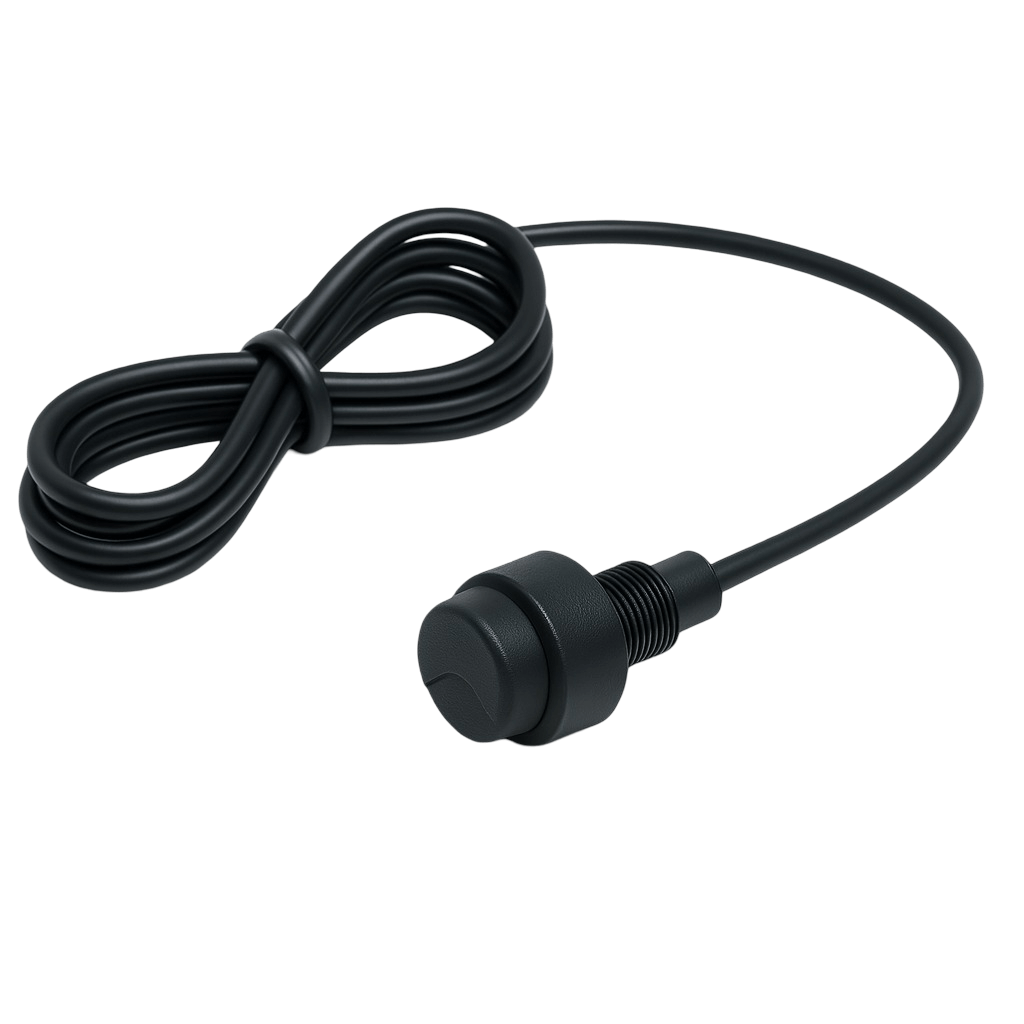
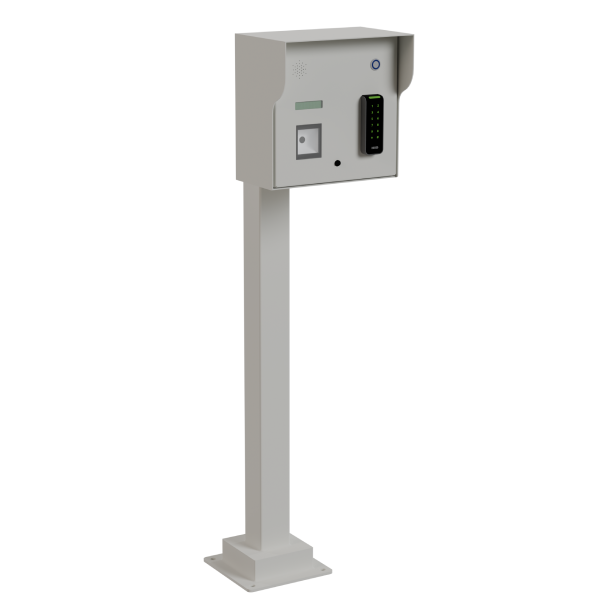
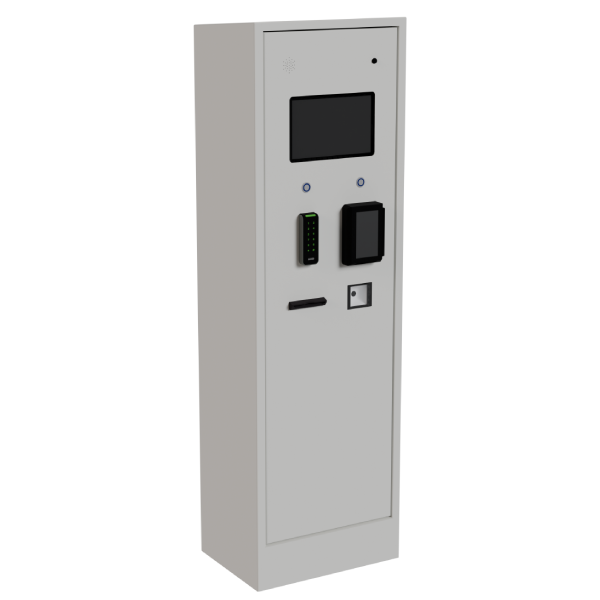
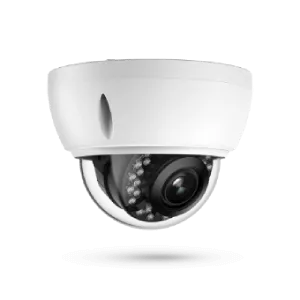
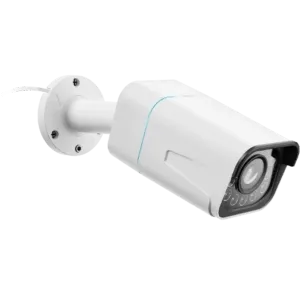
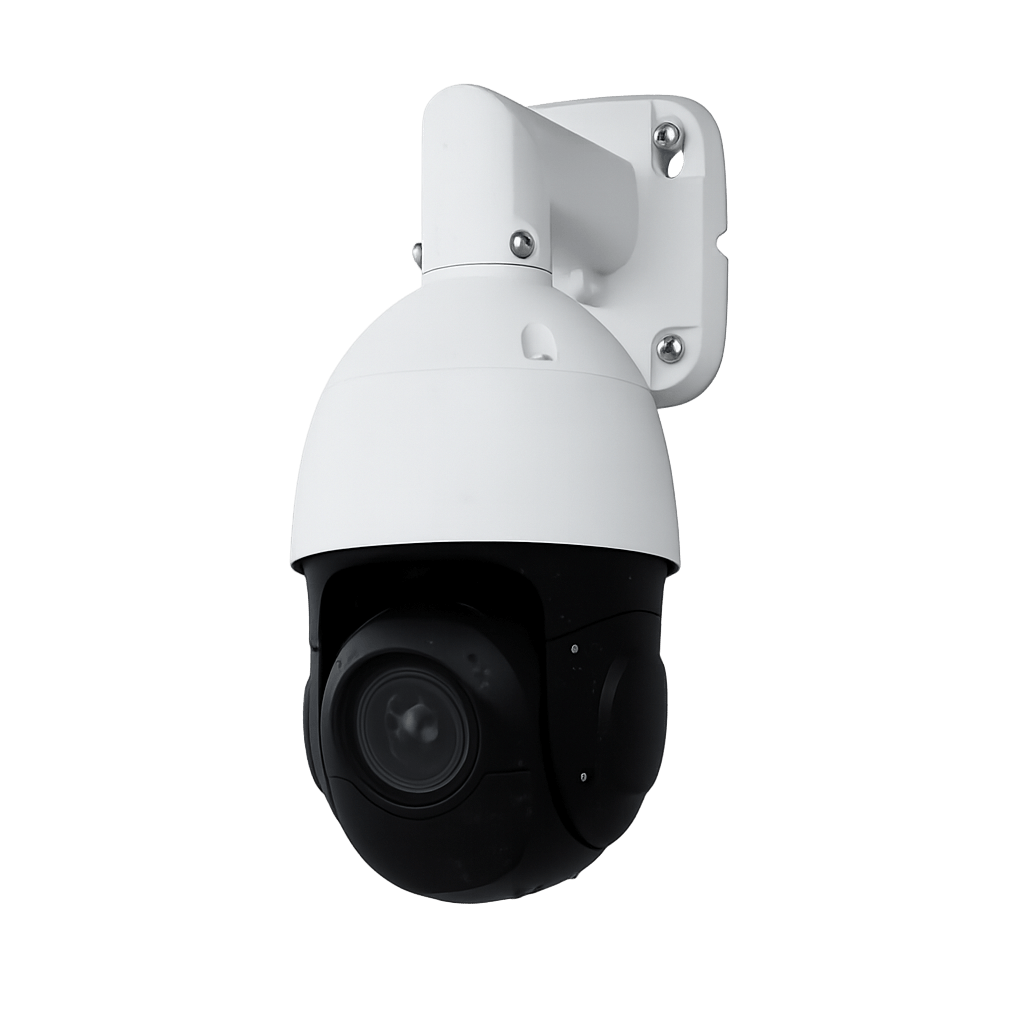
Type: Enumeration | Purpose: Classifies devices by function (e.g., Camera, Barrier, Sensor, Reader, Kiosk, Intercom)
IP Address
Type: IPv4/IPv6 | Purpose: Network communication and remote device access for configuration and monitoring
MAC Address
Type: MAC Address | Purpose: Physical network identifier used for device tracking, DHCP assignment, and network diagnostics
Status
Type: Status with Visual Indicator | Purpose: Quick visual indication of device connectivity and operational health
State
Type: State with Visual Indicator | Purpose: Displays device-specific operational state information (e.g., Armed/Disarmed for sensors, Open/Closed for barriers)
Presence
Type: Presence with Visual Indicator | Purpose: Indicates whether the device is physically present/available in the facility or has been removed
Sorting & Filtering
Quickly locate and organize devices using sorting and filtering capabilities:
Sorting Devices
Click on any column header to sort the device list:
- First click: Sorts ascending (A-Z, 0-9)
- Second click: Sorts descending (Z-A, 9-0)
- Third click: Removes sort, returns to default order
Filtering Devices
Use the filter panel to narrow down device listings:
- Click the filter icon to open the filter panel
- Select criteria such as Device Type, Status, Brand, and more
- Multiple filters can be combined with AND logic
- Click "Clear Filters" to remove all active filters
- Status: Online/Offline to find disconnected devices
- Type: Camera, Barrier, Sensor to locate specific device categories
- Brand: Filter by manufacturer for maintenance tracking
Pagination Controls
Navigate through large device lists efficiently using pagination controls at the bottom of the table:
Rows Per Page
Control how many devices appear on each page:
- Options: 10, 25, 50, or 100 devices per page
- Default: 10 devices per page
- Select from the dropdown menu labeled "Rows per page"
Page Navigation
Move between pages using navigation controls:
- Previous Button (←): Navigate to the previous page
- Page Numbers: Click any page number to jump directly to that page
- Next Button (→): Navigate to the next page
- Info Display: Shows "X-Y of Z" (e.g., "1-10 of 250")
Device Status Indicators
Visual indicators provide at-a-glance status information for each device:
Status Column Indicators
Device is connected and operational
Device is disconnected or not responding
Device status unknown or error condition detected
Device-specific state or presence status information
Device Actions
Perform various actions on devices directly from the Device Management list. Click on a device row or use the action menu to access:
Single Device Actions
- View Details: Open the device information panel to see complete specifications
- Edit Device: Modify device name, settings, or configuration
- Configure: Access device-specific configuration options
- Test Connection: Verify network connectivity and responsiveness
- View Logs: Access device activity and error logs
Bulk Operations
- Select multiple devices using checkboxes
- Apply changes to multiple devices simultaneously
- Export selected devices to CSV or PDF format
Managing a Device
Click on any device to open the Device Management modal, which provides a comprehensive interface for controlling, monitoring, and configuring the device. The modal adapts to your screen size with responsive layouts optimized for mobile, tablet, and desktop views.
Device Tabs & Sections
Controls Tab
Access live camera feeds, screen/display streams, and device sensors. Includes:
- Camera View: Live stream from device camera with fullscreen support
- Touchscreen Display: View live display stream if device has touchscreen support
- Sensor Status: Real-time indicators for online/offline status, gate state, presence loops, security loops, printer status
- Control Buttons: Open/Close gate, Keep Open (with duration selector), and Restart options
Events Tab
View complete history of device events with filtering and export capabilities:
- Paginated event list with customizable rows per page
- Event details including name, timestamp, and description
- Search functionality to find specific events
- Export events to Excel format
- Click events to view full details in a modal
Entries Tab
Track entry/exit records for the device with detailed access information:
- Entry and exit event logging with timestamps
- Associated customer or user information
- Access method details (card type, vehicle info, etc.)
- Pagination controls for large datasets
- Export entry history to Excel
- Empty state with helpful messaging when no entries exist
Details Tab
View comprehensive device information organized by category:
- General Information: Device ID, type, zone assignment, description
- Network Settings: IP address, MAC address, serial number, hostname, port, server URL
- Dates: Creation date and last seen timestamp
Configuration Tab
Modify device settings and behavior (requires edit permissions):
- Basic Information: Device name, brand, model
- Location Settings: Zone assignment, sub-zones, latitude/longitude coordinates
- Device Type: Entrance, exit, bidirectional, payment kiosk
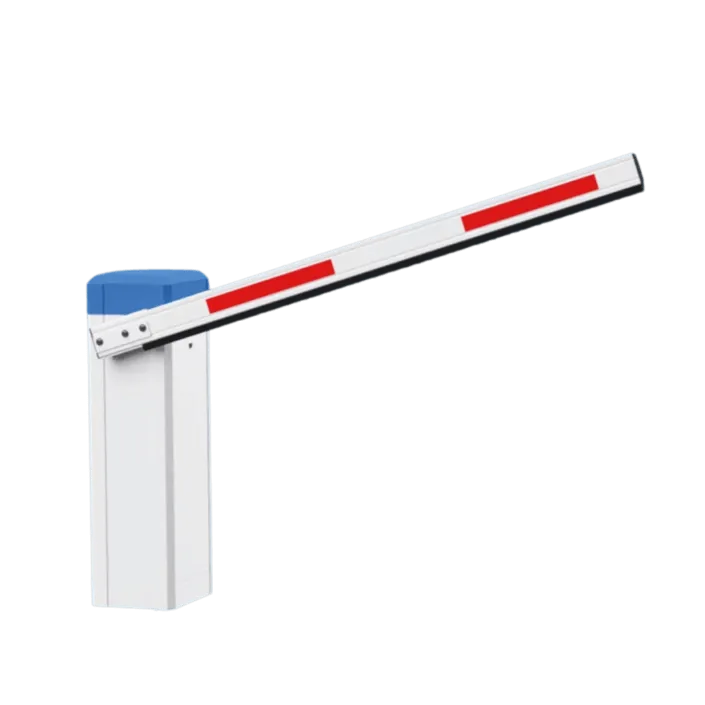
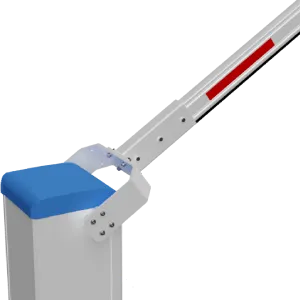
- Barrier Type: None, ELKA, Automatic Systems, Waveshare Modbus, Lexoh Modbus 2.0
- ELKA Parameters: Barrier speed, power supply, opening limitations, relay operating modes, traffic light settings
- Card Reader Settings: Type selection (None, Netronix, OSDP, ELATEC)
- UHF Reader Configuration: Enable/disable, hostname, and port settings
- Screen Settings: Display type (None, LCD, Touchscreen)
- Network Settings: LAN server configuration for offline operation
- Printer Settings: Printer availability and pickup sensor detection
- Survision Server: Enable/disable and configure Survision camera devices
- Device Behavior: Offline entry allowance, automatic opening, customer/guest restrictions
- Device Icon: Select visual representation from 26+ icon options
Sensor Monitoring
The Sensors section (accordion in desktop view, collapsible in mobile) displays real-time status of device components:
Device Controls
Control panel buttons (visible when user has control permissions):
Unlock/open the device gate
Lock/close the device gate
Keep gate open for selected duration (15, 30, 60, 120, 240, or 480 minutes)
Warning: Undefined array key "managing_control_restart" in /var/www/html/views/documentation/device-management.php on line 514
Warning: Undefined array key "managing_control_restart_desc" in /var/www/html/views/documentation/device-management.php on line 516
Best Practices for Device Management
Device Naming Convention
Use clear, descriptive device names that include location and function:
- Good: "Entrance_Camera_North", "Barrier_Gate_1", "Sensor_Lot_A"
- Poor: "Device1", "Camera", "Gate"
Regular Monitoring
Check the Device Management page daily to:
- Identify offline devices and address connectivity issues promptly
- Monitor device health and error conditions
- Track firmware versions and system updates
Network Configuration
Ensure proper network setup for optimal device performance:
- Use static IP addresses or DHCP reservations for device consistency
- Implement proper firewall rules allowing device communication
- Maintain separate network segments for device traffic when possible
Documentation & Tracking
Maintain accurate records for all devices:
- Document firmware versions and update dates
- Track warranty dates and support contact information
- Record MAC addresses and static IP assignments
- Maintain maintenance schedules and service history
Device Management Complete!
Your device management system is configured. Explore related documentation for complete facility oversight.