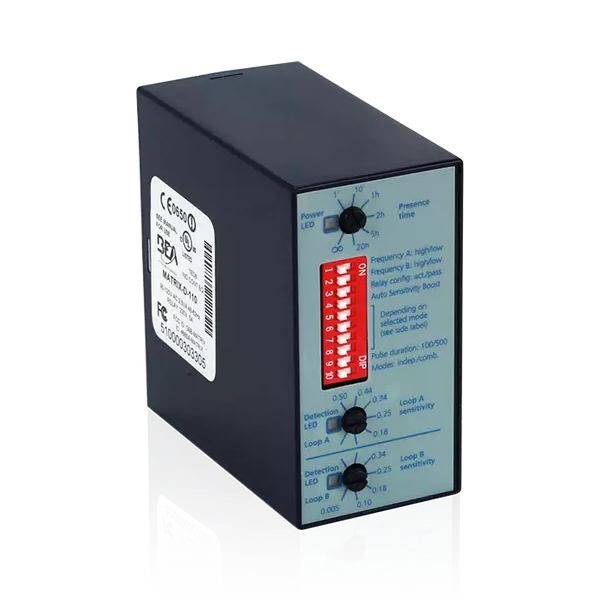

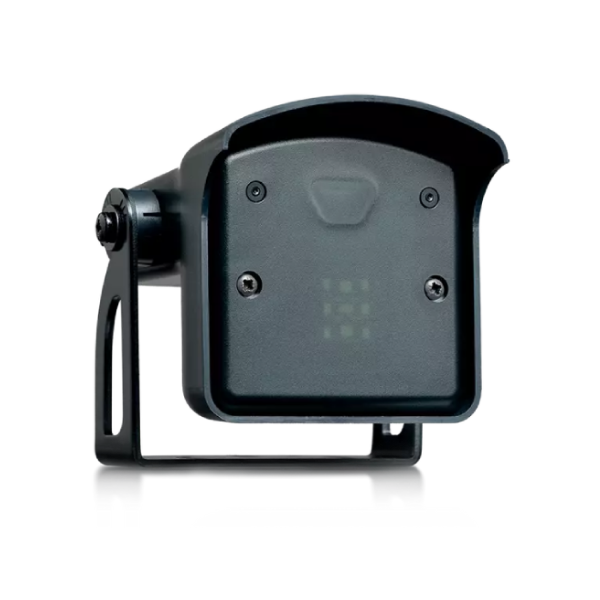

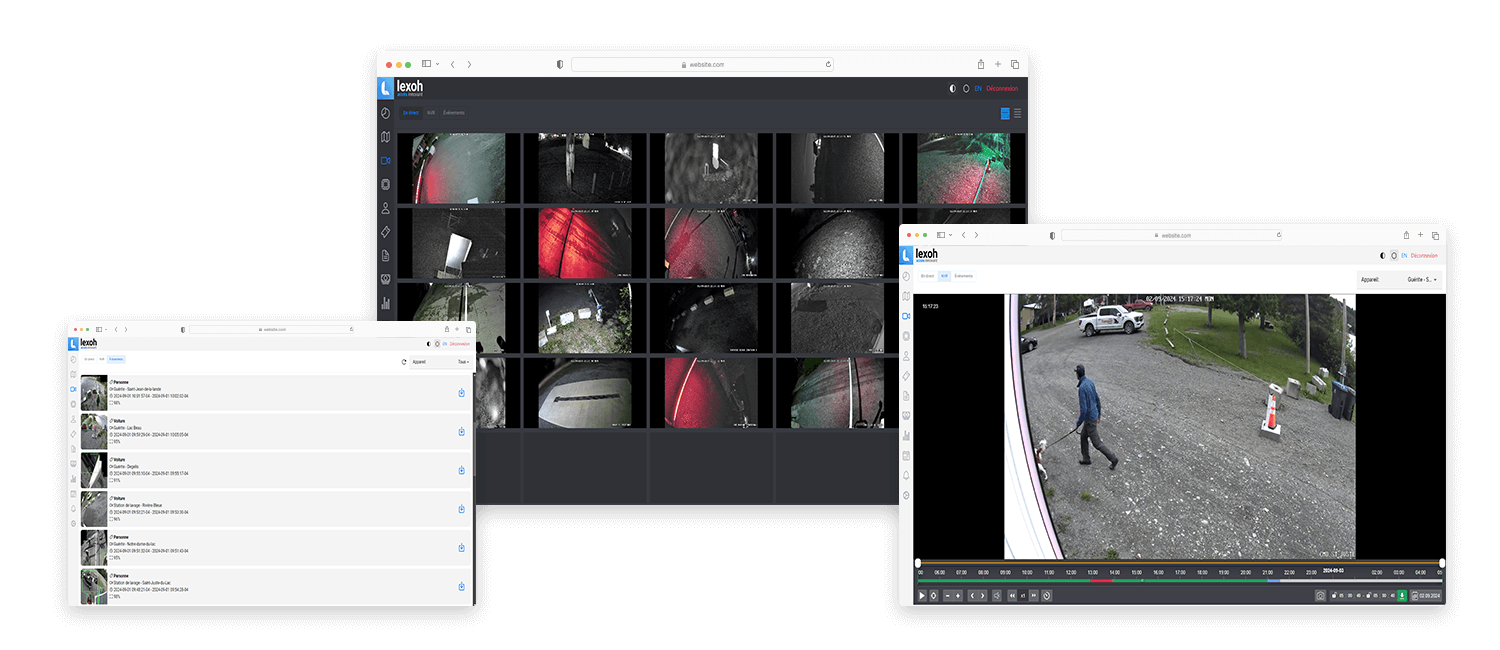
Manage visitors and credentials
Create visitor records, issue active access cards and keep credential details in one searchable view.
- Visitor records
- Active access cards
- Searchable credential details

Card-based credential reader
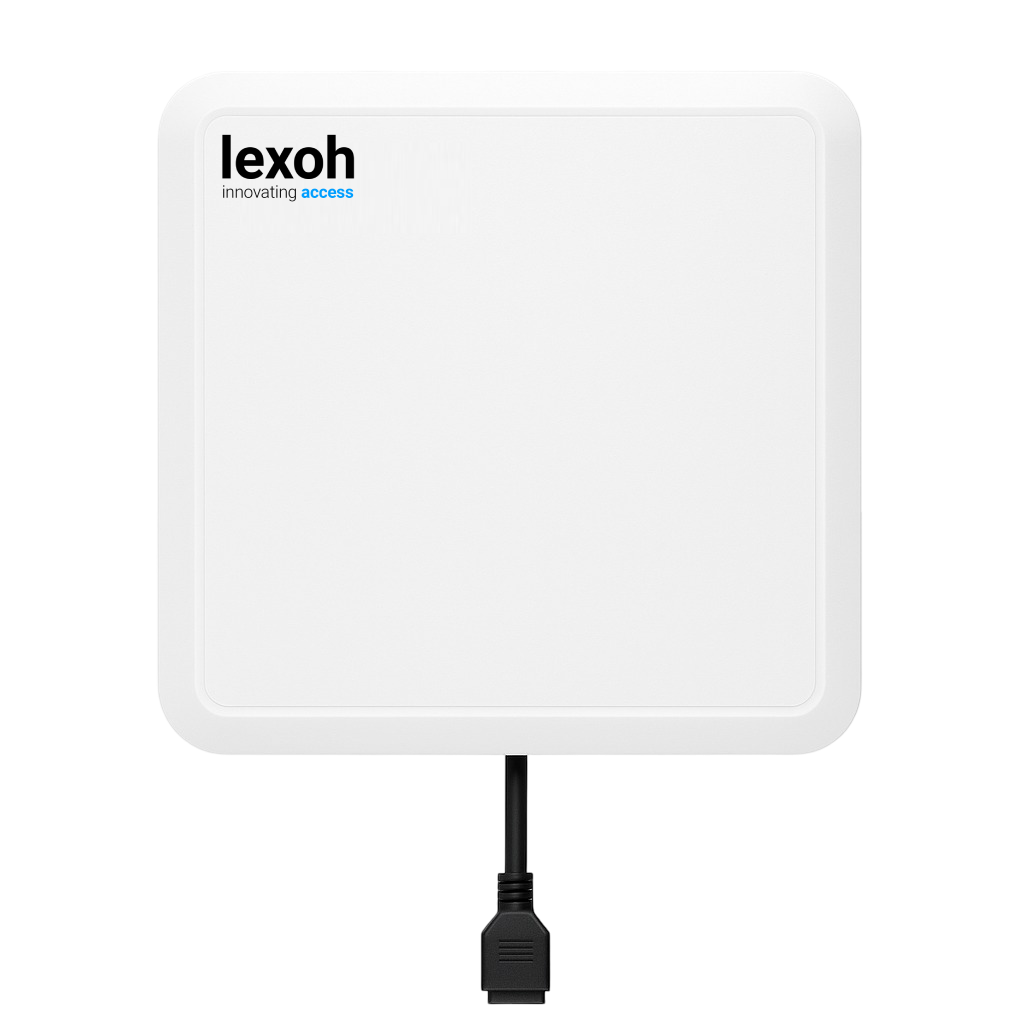
UHF credential reader
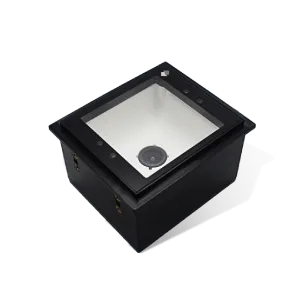
QR and barcode credential reader
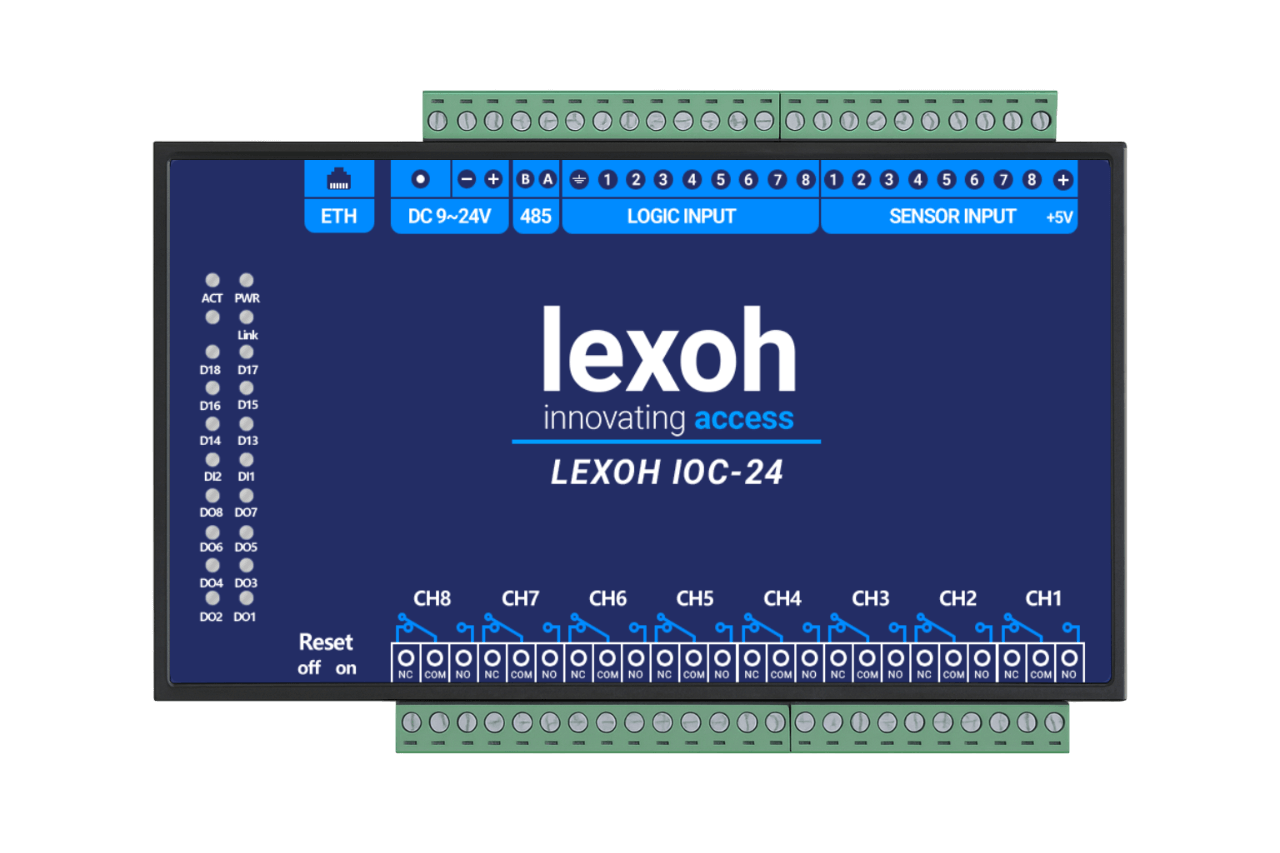
Device input and output controller
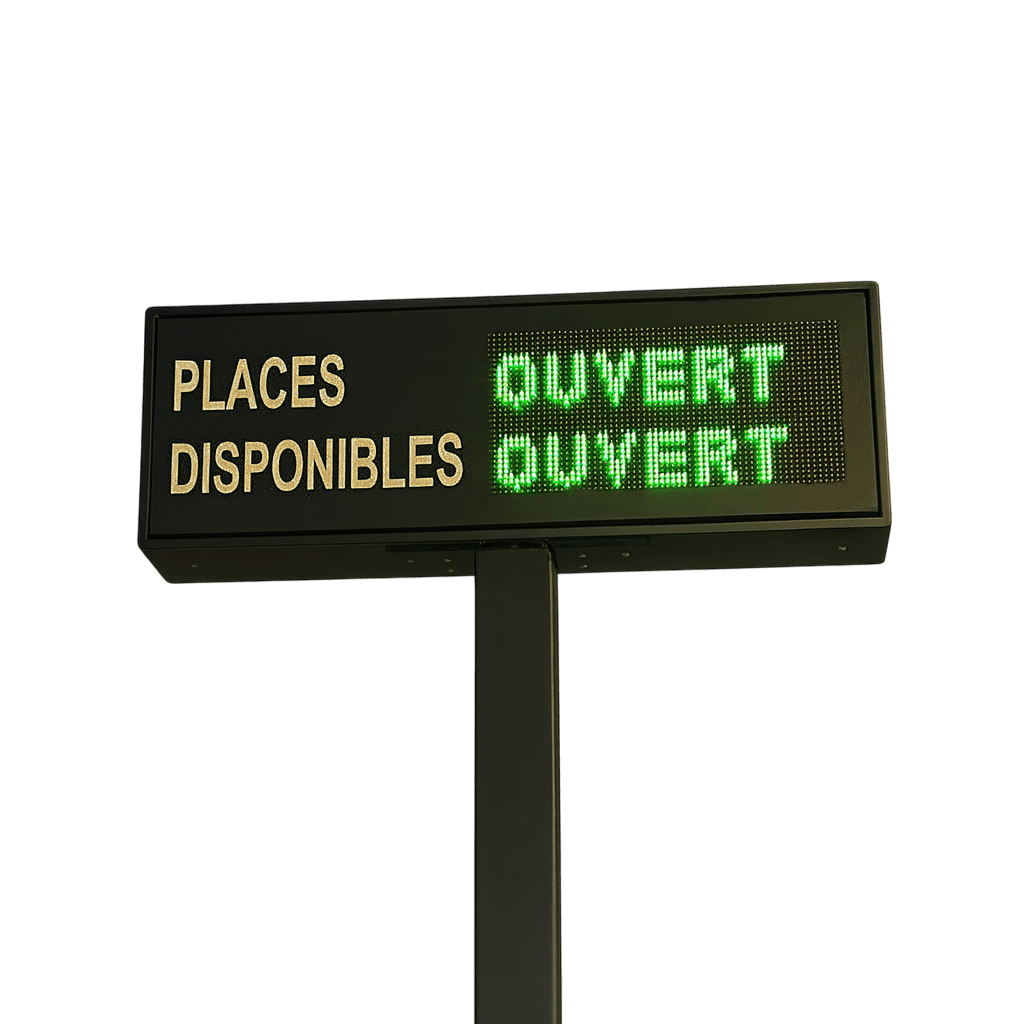
Lane and access display signage

Access credentials for your keyring

Thermal printer paper

QR and barcode coupons for parking access
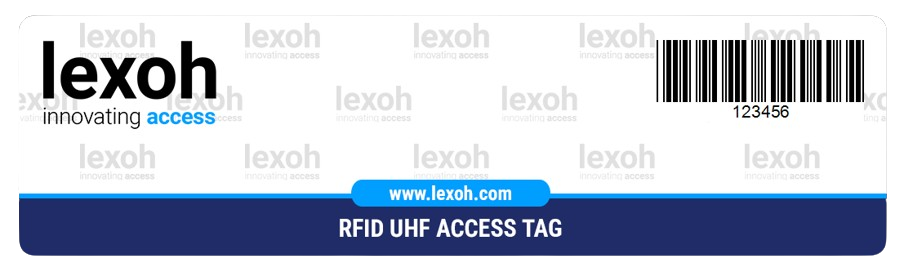
UHF access credential
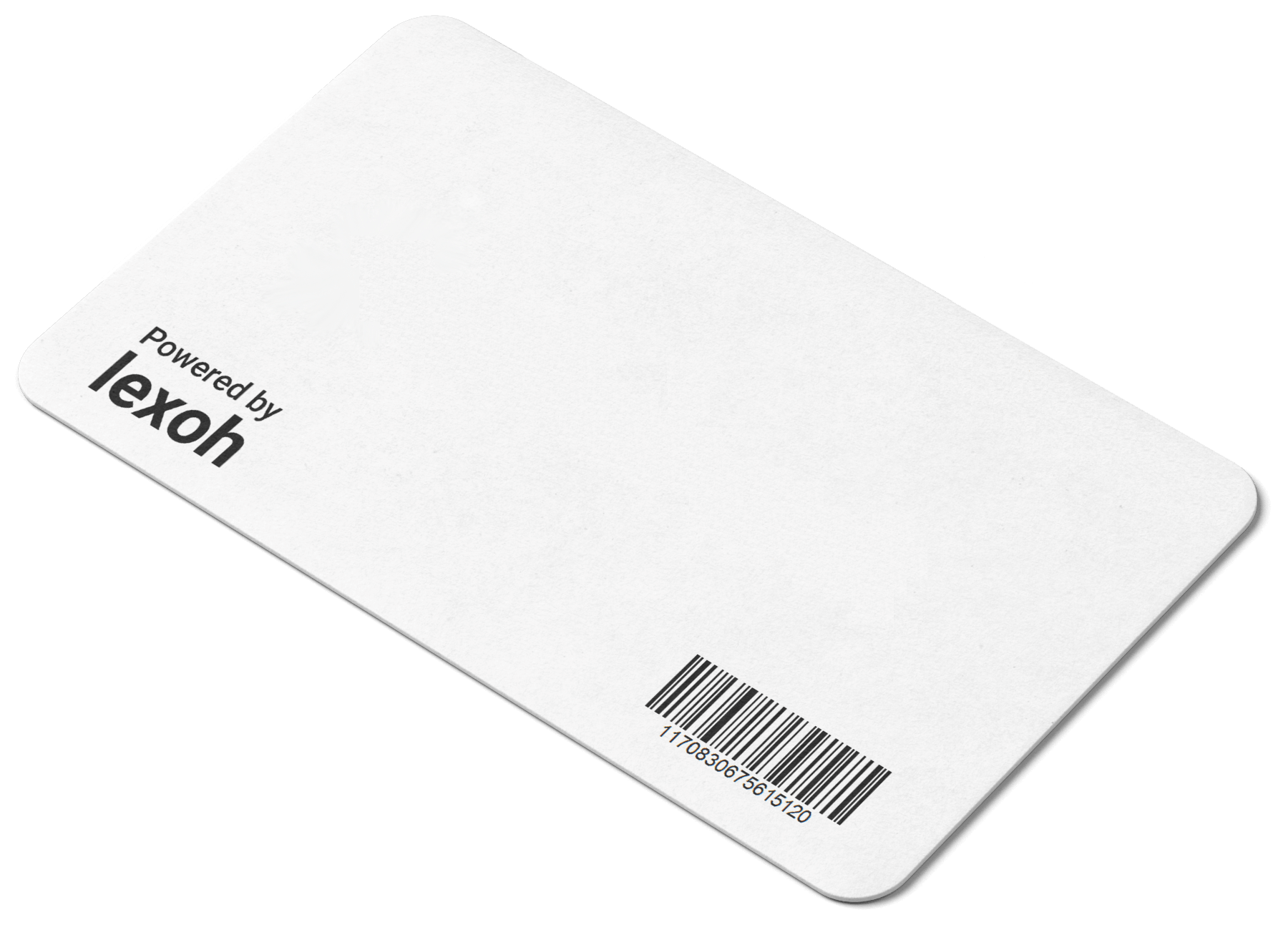
RFID access credential
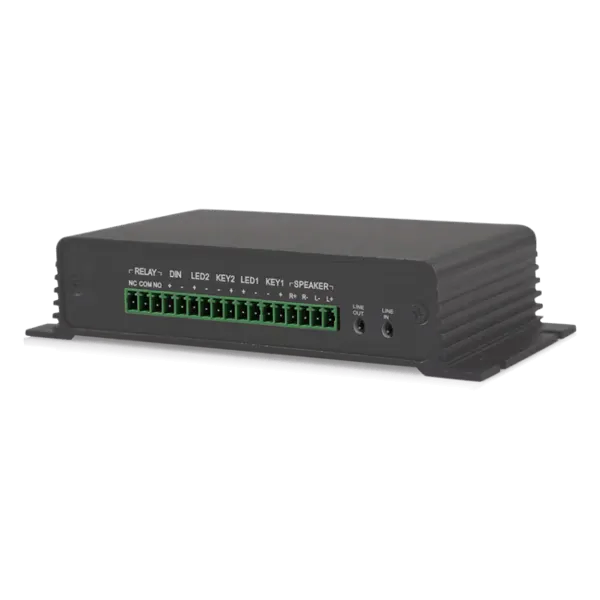
IP intercom communication
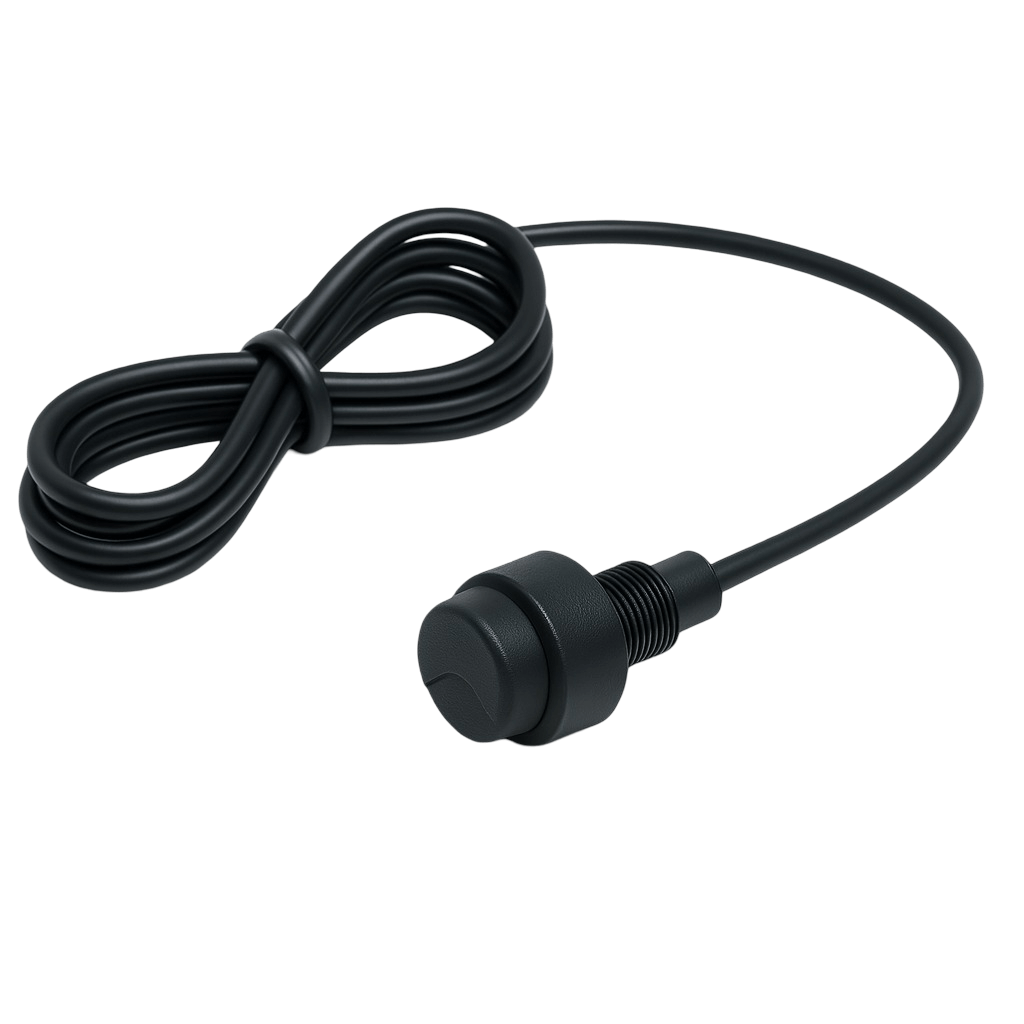
Analog omnidirectional microphone

Access, parking and security — one system
Lexoh connects kiosks, barriers, payments and video with the team that installs, maintains and can operate your site.

Selected organizations and sites in the Lexoh installation archive





The Lexoh platform
Lexoh develops access and parking software and connected kiosk systems for municipalities, parking operators and commercial sites. We install and maintain the equipment, support your operators and offer parking operations and customer support for your users.
Cloud management. Local communication when internet is unavailable.
Lexoh’s hybrid architecture includes an offline mesh network that lets site devices communicate with each other without internet. Payment authorization, remote access and external software connections have their own connectivity requirements.
01 / 04
Create visitor records, issue active access cards and keep credential details in one searchable view.


Create visitor records, issue active access cards and keep credential details in one searchable view.
See entries, exits, payments, calls and remote actions with a clear granted, denied or completed result.
Authorized operators can inspect entry history and available camera context before opening, closing or holding a compatible connected barrier.
Keep invoice details, totals, payment history and supporting documents together in the operational record.
Solutions by operation
For integrators: plan equipment, connections and commissioning
How the system responds
The platform gives each physical event the context an operator needs: who or what arrived, which rule applied, what the equipment did and what happened on video.

Deployment and lifecycle
Lexoh installs and commissions your access equipment, maintains the system and supports your team. You can also entrust us with parking operations, call handling and customer support for drivers, with responsibilities and coverage defined in your service agreement.
Kiosk systems
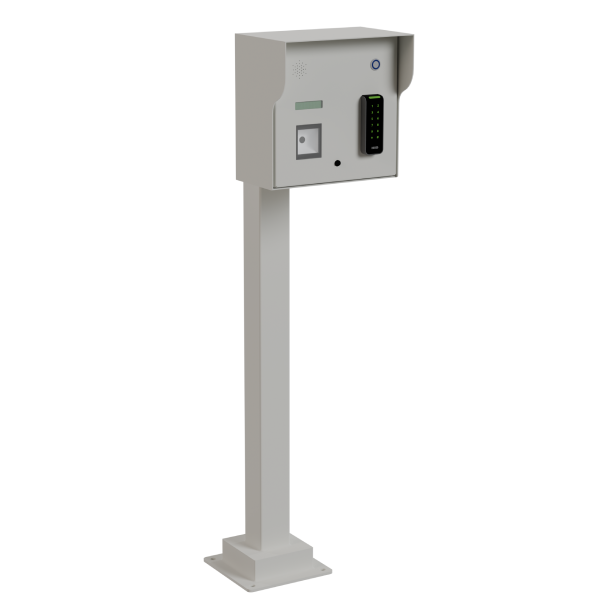
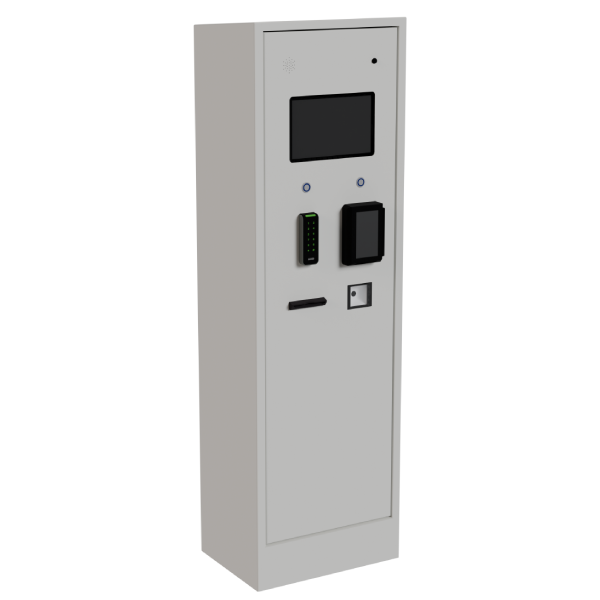
Explore the enclosures, components and access workflows of the LPK-128V2 and LCB-30.
A configurable payment and access kiosk for workflows that can include a touchscreen, QR or 2D scanning, payment, credentials and receipt or ticket handling.

A compact lane kiosk built around the access interaction, with configurations for credentials, payment and printing.

Lakes and boat launches
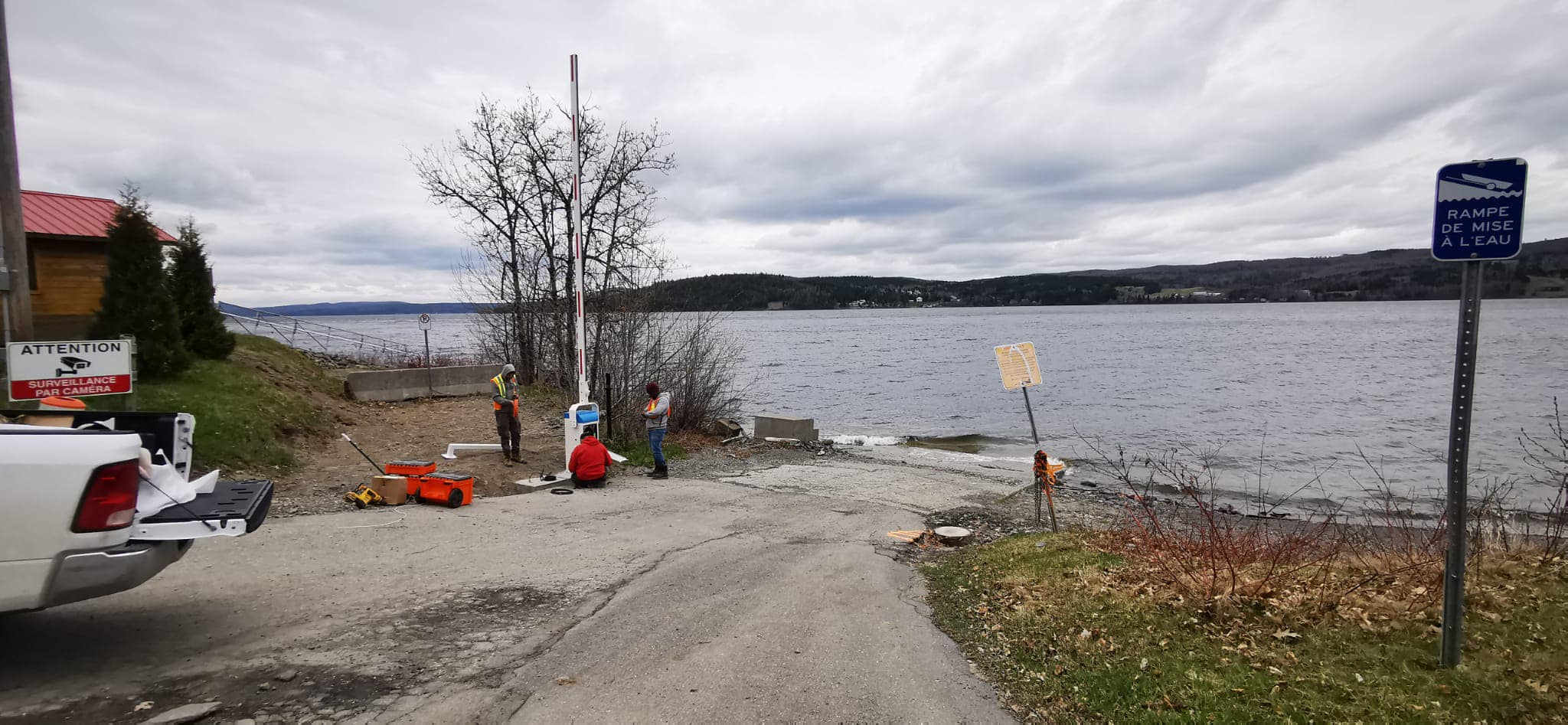
Connect boat-wash stations, proof of washing and access to the water. The Témiscouata network brings wash and access equipment together at 22 sites in the region.
Customer stories
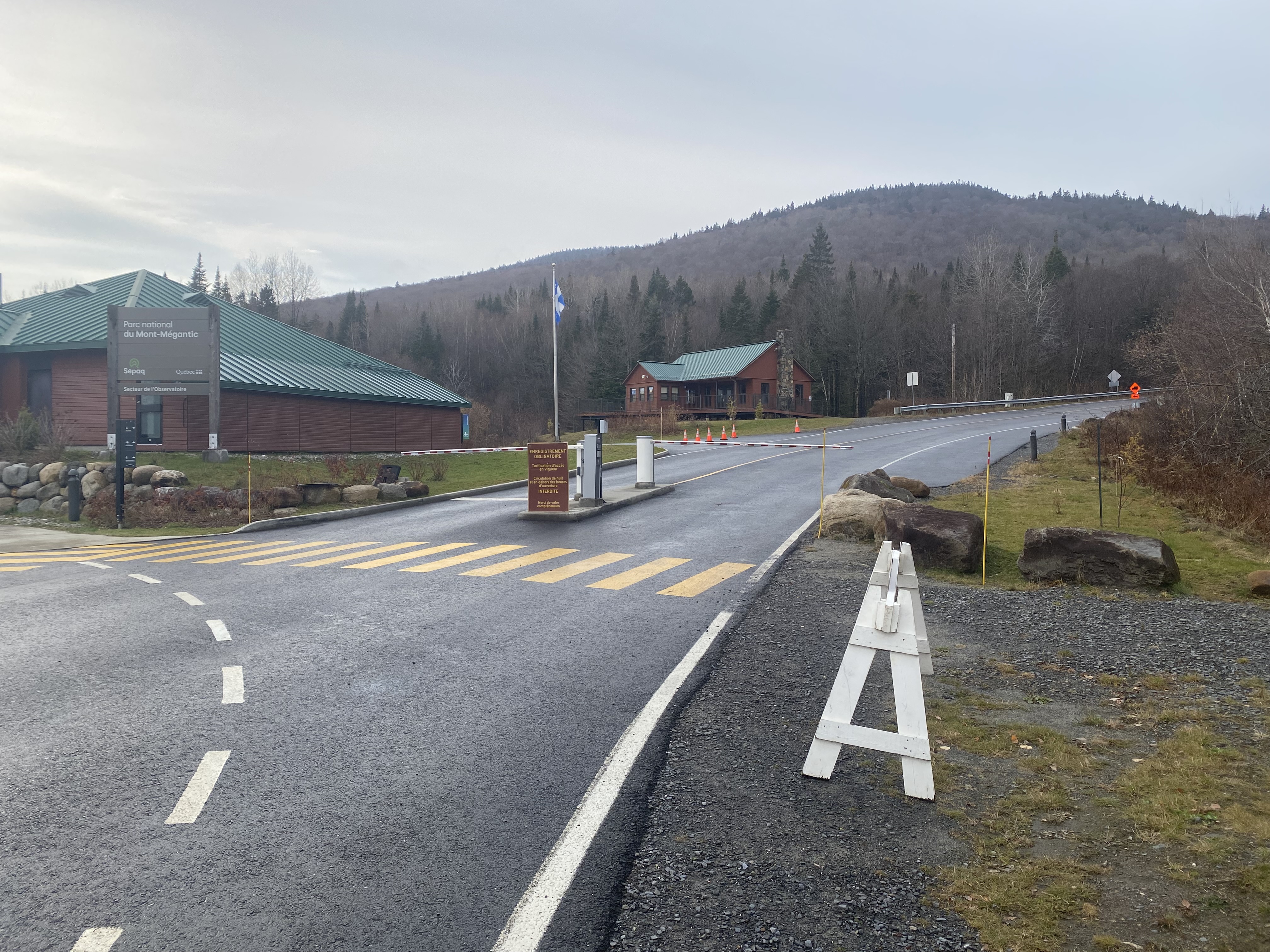
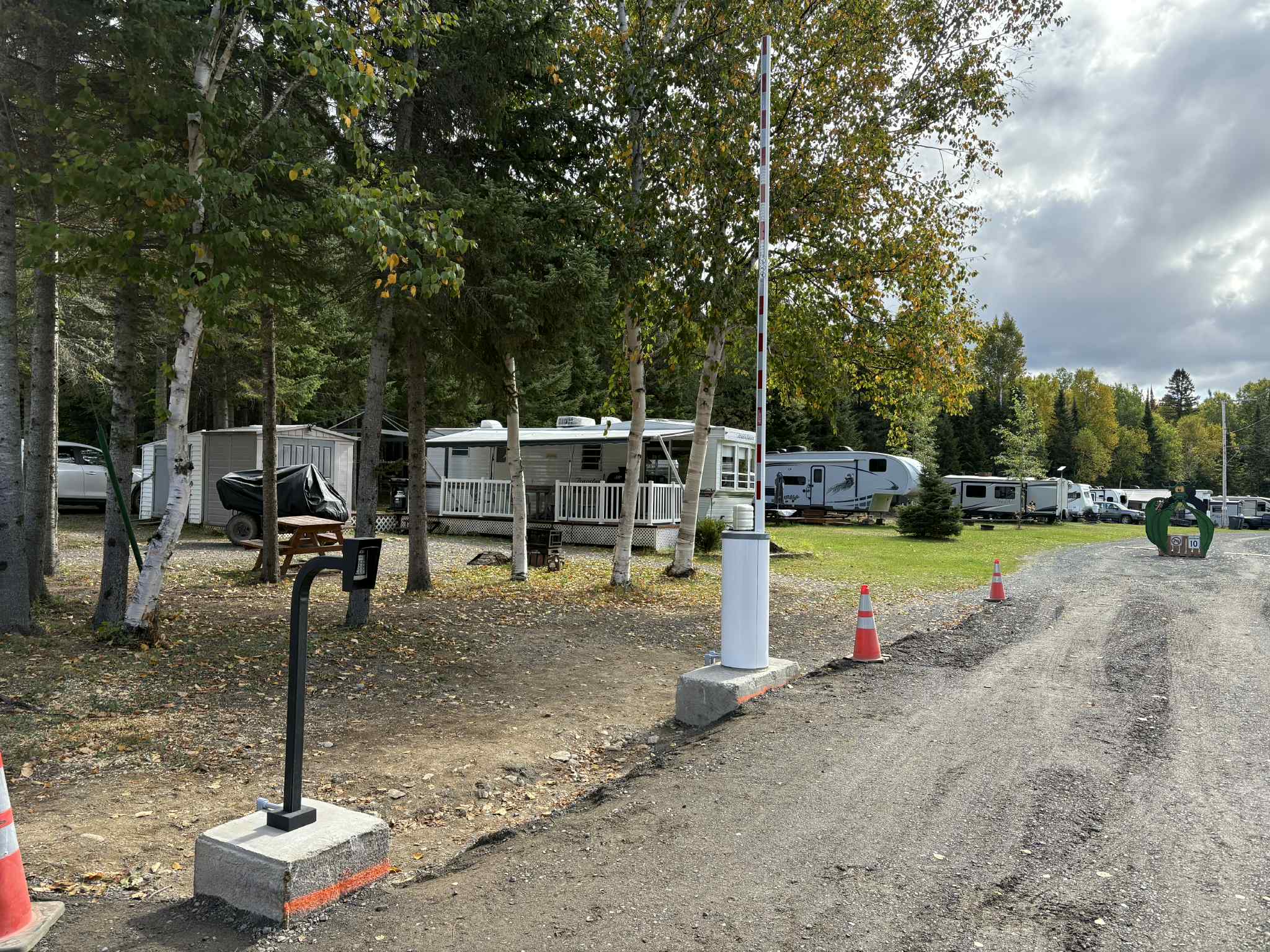
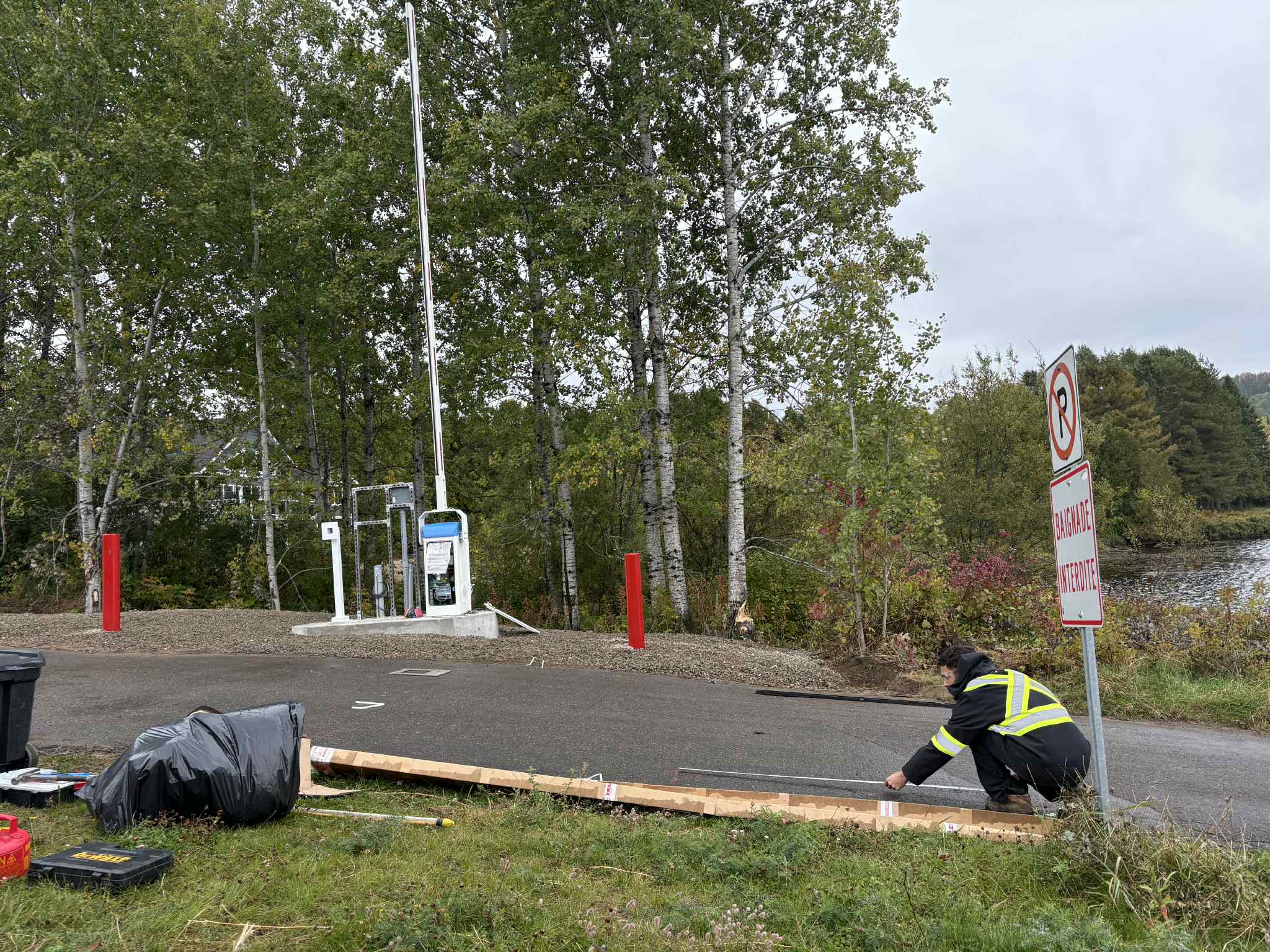
From municipalities and public sites to campuses, marinas and private facilities, Lexoh systems coordinate controlled access across different operational environments.
View more installations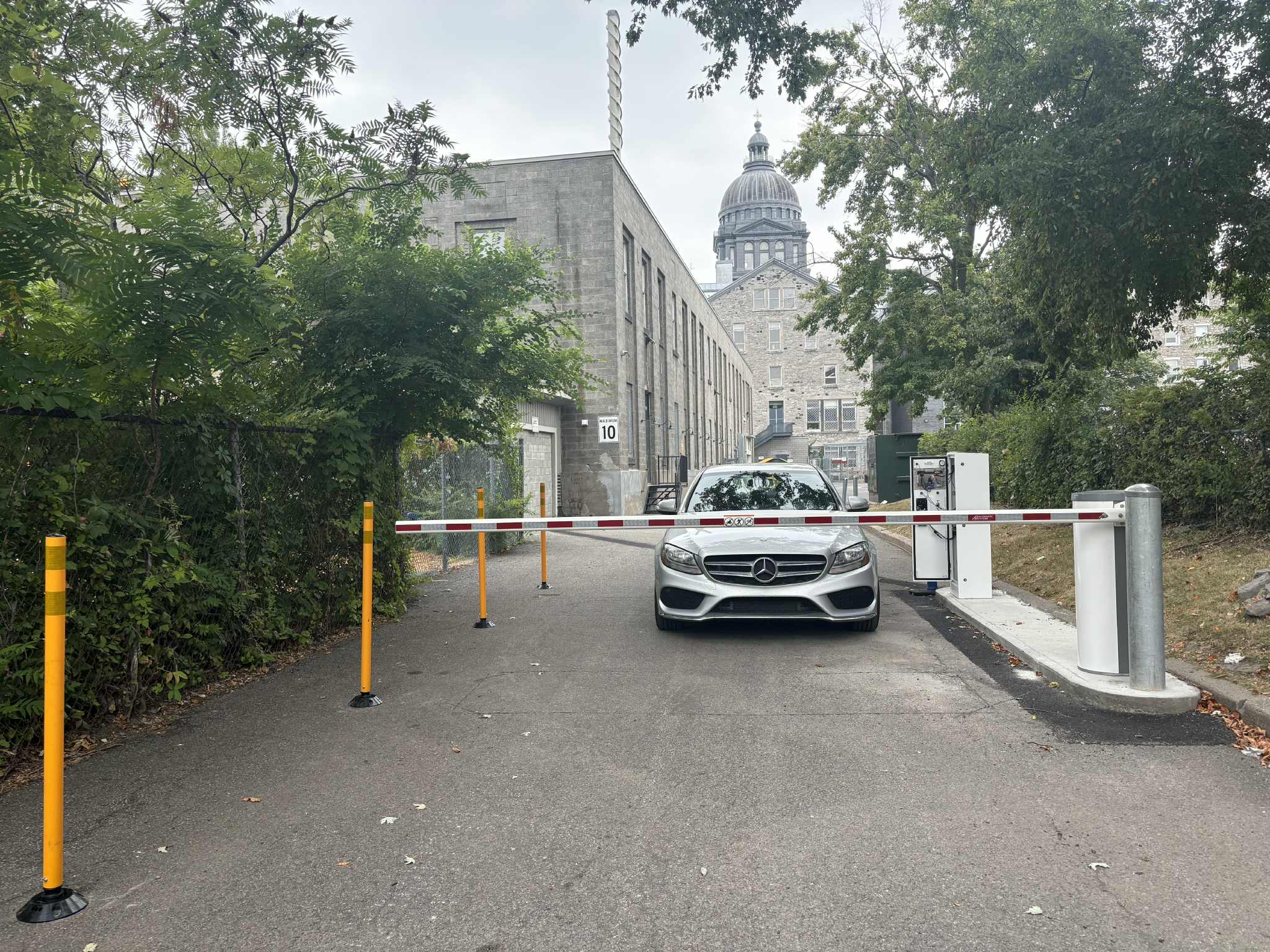
Lexoh Security Center
Map sites and access points, inspect device status, and keep the physical system visible to the people responsible for it.
Explore the cloud platformVideo intelligence
Live monitoring, event-linked clips, search and playback keep video connected to the same operational environment as access and site equipment.
Explore video securitySAVINGS COMPARISON
Model potential cost reductions and recovered revenue, then subtract additional monthly costs. All amounts are in Canadian dollars (CAD).
Enter a number of at least 0 (whole numbers only).
Enter a number of at least 0.25 and no more than 24.
Use 0 for free parking or when downtime does not lose a sale.
Enter a number of at least 0.
Enter a number of at least 0 (whole numbers only).
Enter a number of at least 0.
Enter a number of at least 0.
Enter a number of at least 0 and no more than 744.
Enter a number of at least 0.
Enter a number of at least 0 and no more than 100.
Include added software, connectivity, support, maintenance and transaction costs. Enter only the increase over your current costs.
Enter a number of at least 0.
Include equipment, installation, civil work, commissioning and training. The starting amount is an example, not a Lexoh price.
Enter a number of at least 0.
Calculated only from the editable assumptions shown here.
Intervention cost = incidents × hours per incident × hourly cost. Lost revenue = visits per day ÷ operating hours per day × lost operating hours per month × revenue per affected visit.
Monthly net benefit = (intervention cost + lost revenue + repair cost) × assumed reduction percentage − additional monthly costs. Annual net benefit = monthly net benefit × 12. Simple payback in months = initial investment ÷ positive monthly net benefit.
Traffic is assumed to be evenly distributed over the operating day, affected visits lose all entered revenue, and one reduction rate applies to the three baseline components. Avoid counting staff costs twice in repair invoices. Use representative monthly values; annual results assume the same activity for 12 months. No inflation, financing, tax, discount rate, resale value or full lifetime return is calculated. This is a simple-payback model, not a percentage ROI or a forecast.
Savings comparison only—not a system-cost calculator. Every operating assumption and the reference budget can be adjusted above; results are not a quote or a guaranteed outcome.
Bring us the site
Share the traffic flow, users, equipment and operational constraints. Lexoh will help define the physical and software architecture.


